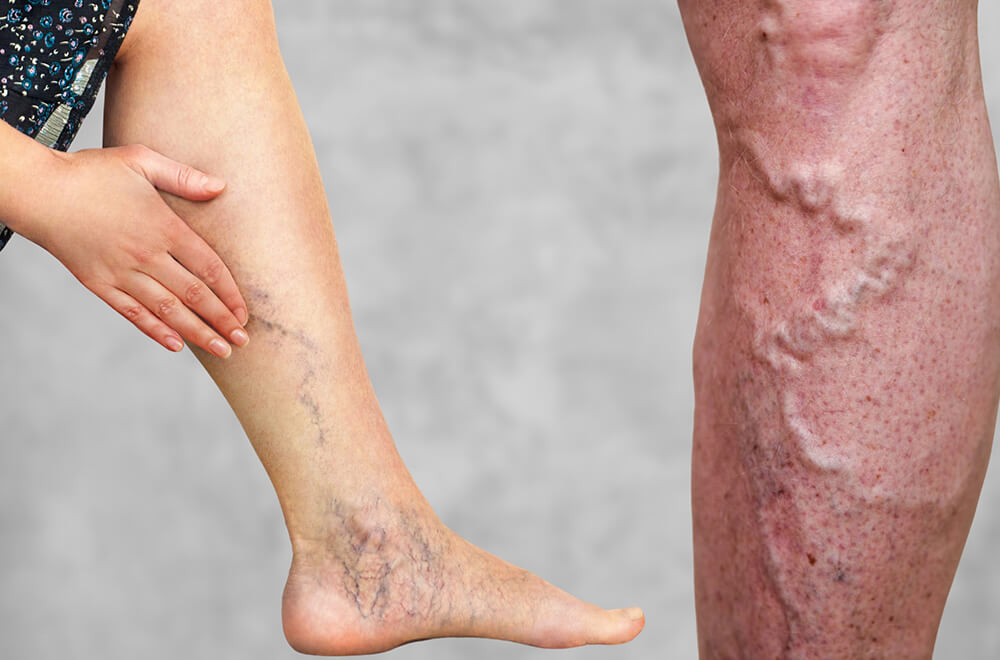
Many people notice thin red lines or bulging blood vessels on their legs and immediately wonder about spider veins vs varicose veins. Although both conditions affect the circulatory system, they do not behave the same way, and they do not carry the same level of risk. Therefore, understanding what appears on the surface and what may exist underneath matters far more than most people realize. With modern ultrasound-based diagnosis and non-surgical care, doctors now address these conditions accurately, safely, and effectively.
How the Venous System Works and Where Problems Start
The venous system carries deoxygenated blood back to the heart. To do this efficiently, it relies on one-way valves that prevent backward flow. However, when these valves weaken or become damaged, blood begins to pool instead of moving upward. As a result, pressure builds inside the affected channels. Over time, this pressure leads to visible changes and contributes to vein disease in legs.
Doctors do not rely on appearance alone. Instead, they use venous Doppler and duplex ultrasound to assess vessel size, valve function, and blood flow direction. When an ultrasound shows reversed flow, doctors identify it as reflux. This finding explains why symptoms develop and why surface concerns often indicate a deeper issue.
What Are Spider Veins?
Spider veins appear as thin red, blue, or purple markings close to the skin. They often form web-like patterns and usually raise cosmetic concerns. Because they seem minor, many people ask, are spider veins dangerous? In most cases, these markings do not pose a direct health threat. However, they can indicate underlying reflux in larger channels.
For this reason, doctors never treat this condition in isolation. Although surface treatment improves appearance, untreated reflux allows new markings to form. Therefore, proper diagnosis always comes first.
What Are Varicose Veins?
Varicose veins appear larger, twisted, and raised above the skin. They commonly develop in the legs because gravity increases pressure there. Pain, heaviness, swelling, itching, and fatigue often accompany them. These signs indicate more advanced valve damage and ongoing reflux within the superficial system.
Doctors also evaluate the stages of varicose veins to decide the most appropriate treatment plan. Early stages may involve mild swelling and visible enlargement. Later stages can include skin discoloration, inflammation, ulcers, and clot formation. Therefore, early assessment protects long-term circulatory health.
Visual Differences Versus Medical Reality
The visible difference between varicose and spider veins helps people recognize symptoms, but appearance alone does not define severity. One condition stays closer to the skin, while varicose involve larger superficial channels. However, both conditions may be connected to deeper reflux.
Because of this, doctors always examine both the superficial and deep systems. If a clot forms in the superficial system, it can progress. Duplex ultrasound helps identify these risks early and guides treatment decisions accurately.
Non-Surgical Treatment Options
Today, treatment does not require surgery. Doctors close faulty channels using minimally invasive techniques guided by ultrasound. These options include thermal ablation, medical adhesive closure, and targeted injections. The body then redirects blood through healthy pathways.
As circulation improves, symptoms reduce, and surface markings fade naturally or respond better to cosmetic treatment. Patients walk immediately after procedures and return to routine activities quickly. This method addresses both appearance and medical concerns linked to spider veins vs varicose veins.
When Spider Veins Signal a Deeper Issue
Many patients continue to ask, are spider veins dangerous when no pain exists. While these markings alone rarely cause complications, they often reflect hidden reflux. Ignoring that reflux allows progression through the stages of varicose veins.
Therefore, doctors recommend evaluation even when symptoms appear mild. Early diagnosis prevents advanced disease, skin damage, and ulcers. Knowledge allows patients to act before problems worsen.
Treating the Root Cause Prevents Recurrence
Treating only surface markings without correcting reflux leads to recurrence. Blood continues to flow in the wrong direction, and pressure creates new visible changes. Doctors who focus on underlying valve damage deliver longer-lasting relief and better cosmetic outcomes.
This principle defines effective care for spider veins vs varicose veins and explains why expert-led clinics emphasize ultrasound before treatment.
Expertise and Advanced Care in Two Cities
Advanced diagnostic and treatment services are available at three established medical centers. Patients in Lahore can access care at Farooq Hospital in DHA Lahore. Patients in Karachi can visit OMI Hospital in Saddar, Karachi, and Bahria International Hospital in Bahria Town Karachi. At both locations, doctors use venous Doppler and duplex ultrasound to evaluate vessel size, valve damage, flow direction, and clot risk before planning treatment. This structured approach ensures that no underlying issue goes unnoticed.
Expertise, Experience, and Consultation
Managing circulatory conditions requires precision, experience, and a deep understanding of ultrasound-guided diagnosis. Dr. Imtiaz, leading these services, has extensive expertise in identifying reflux, assessing both superficial and deep systems, and managing conditions without surgery. Patients receive clear explanations, accurate diagnoses, and treatment plans designed to prevent recurrence.
Those seeking expert evaluation for spider veins vs varicose veins can book a consultation at either hospital location to receive a detailed ultrasound assessment and a personalized care plan focused on long-term leg health.
Contact for Consultation
Hotline: 03311110397
wa.me/+923302963300
wa.me/+923312597322
Dr. Imtiaz Ahmad
FAQs