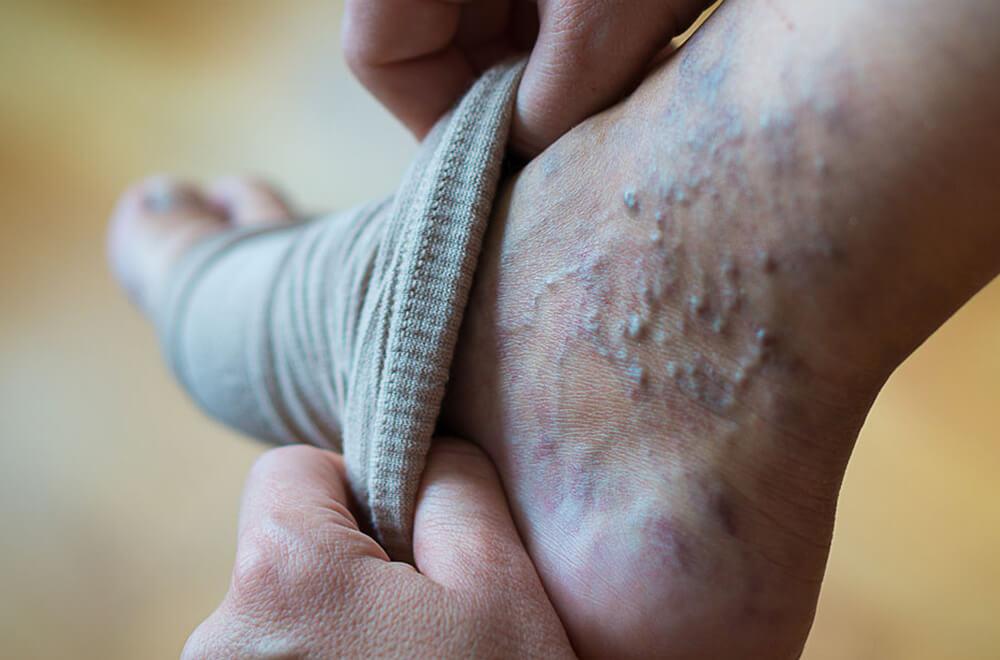
Varicose veins are common, and recognising the early signs of varicose veins can help you act sooner. In mild cases, vessels may look slightly raised or darker, and you might feel heaviness in your legs after standing. Therefore, spotting these signals early helps you prevent progression and access suitable care quickly.
What are varicose veins and how do they start?
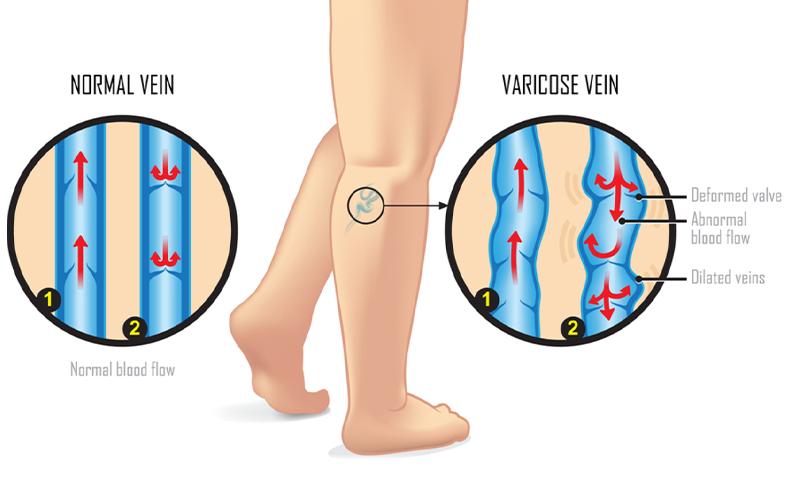
This condition forms when vein valves weaken or fail. Consequently, blood can pool in leg, making them swell, twist, and sometimes become painful. Often, this happens gradually because of age, hormones, pregnancy, genetics, or prolonged standing. Moreover, excess weight and previous leg injuries also raise the risk.
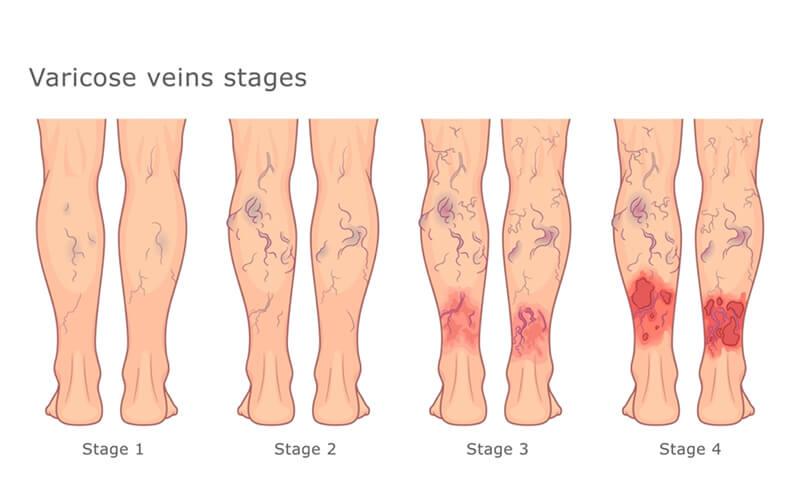
Early Stage Varicose Veins: Common Early Symptoms
Firstly, the most noticeable early symptoms include visible, bulging veins. Next, you may feel a heavy, aching, or tired sensation in your legs, especially after long periods of standing or sitting. Additionally, mild swelling around the ankles and feet can appear. Sometimes, people report itching, burning, or throbbing near the affected vessels. Night cramps and restless legs are also commonly reported. These signs often come and go at first, but they may become persistent if untreated.
How to spot subtle early signs
To begin with, pay attention to skin changes. For example, dry, flaky, or slightly darkened skin near the ankle can indicate vein trouble. Also, tiny spider vessels may appear before larger one develops. In addition, you may notice increasing leg fatigue after regular activity or a new tendency to cramp at night. If you wonder how this condition starts, early valve damage and blood pooling explain these subtle symptoms.
Why early detection matters
Early detection gives you more choices. For instance, conservative measures like compression stockings, exercise, and weight control usually work better when the disease is mild. Moreover, early treatment reduces the risk of complications such as skin ulcers or more serious clotting problems. Therefore, recognising the early signs of varicose veins matters for both comfort and long-term vascular health.
What is the cause of varicose veins?
Primarily, the answer is valve failure in superficial leg vessels. However, other factors contribute. For example, genetics often plays a significant role. Also, pregnancy changes blood volume and hormones, which increase vein pressure. Furthermore, ageing weakens vein walls. Consequently, prolonged standing, sitting, or obesity raises pressure in leg veins and encourages varicose changes. Overall, knowing the cause of varicose veins helps you target prevention.
Signs to watch day-to-day
Furthermore, in daily life, you can watch for subtle changes. For example, if you notice visible cords or mild bulging after a long day, this may be one of the early signs of varicose veins. Likewise, if you feel a new, regular heaviness in one or both legs, note it and consider monitoring. If standing for work causes more aching than before, it could be an early sign and should prompt a simple self-check. Track any recurring localised itching or burning, because these small signals often precede larger visible changes.
When symptoms suggest complications
However, not all early signs are harmless. If you see persistent swelling, skin redness, increasing warmth, or open sores, then act quickly. These symptoms may suggest worsening venous disease or complications such as ulcers or superficial clotting. Therefore, if an area becomes warm, very painful, or hard to touch, seek medical advice. Moreover, sudden calf pain and swelling can indicate deep vein thrombosis, which requires urgent evaluation. In short, recognise red flags and do not delay medical review.
Practical tips for everyday care
To be practical, establish small habits that support vein health. For instance, shift weight frequently when standing and take short walking breaks when sitting for long spells. Frequently flex your ankles while seated; these movements help pump blood back to the heart. When travelling or working at a desk, schedule short walking breaks. Wear graduated compression stockings if a clinician recommends them.
Also, maintain a healthy weight and adopt regular cardio exercise like walking, cycling, or swimming. Finally, avoid very tight clothes around the waist and legs, and cut down on smoking because it harms vascular health. These steps ease symptoms and slow the progression of this condition.
When to see a doctor
See your GP if symptoms affect sleep or daily life, if swelling persists, or if skin changes develop. Also, seek help for sudden pain, redness, or a hard cord-like vein; these may signal thrombophlebitis. Your clinician can perform a physical exam and, if needed, an ultrasound to check blood flow and valve function. Consequently, prompt evaluation clarifies diagnosis and avoids complications.
Medical treatments for varicose veins
If self-care fails, several effective treatments exist. For small to medium veins, sclerotherapy injects a solution that scars and closes the vein. For larger vessels, endovenous laser or radiofrequency ablation seals the faulty vein from within. In some cases, surgical removal remains an option. Importantly, treatment choice depends on vein size, symptoms, and personal health. Therefore, discuss the best option with a vascular specialist or vein clinic team.
Preventing Progression
To reduce the chance of worsening of this condition, remain active and manage weight. Additionally, use compression stockings if recommended and vary sitting or standing routines. Eat a fibre-rich diet to avoid constipation, which can increase venous pressure. Avoid long periods in high heels. By contrast, quit smoking and manage long-term health conditions. These steps lower the risk of progression from early findings to more severe venous disease.
Conclusion
In short, early recognition of the early signs of varicose veins gives you options. Therefore, notice bulging vessels, heaviness, itching, or changes in the ankles. Moreover, act with sensible self-care and seek medical review when needed. Finally, understanding the cause of varicose veins and how it starts helps you make informed choices for proper vascular health.
Hotline: 03311110397wa.me/+923302963300 | wa.me/+923312597322
Dr. Imtiaz Ahmad
Frequently Asked Questions
1. What are the earliest symptoms I should notice?
A. The earliest signs often include mild aching, heaviness, small spider veins, and slight ankle swelling. These are common varicose veins early symptoms.
2. How do varicose veins start in younger people?
Younger people can develop valve weakness from genetics, injury, or lifestyle factors. Thus, the start may be similar across ages, though the risk rises with age.
3. Can lifestyle changes reverse early stage varicose veins?
A. While lifestyle changes rarely reverse visible veins completely, they often reduce symptoms and slow progression. Additionally, early intervention increases non-surgical success.
4. What is the cause of varicose veins during pregnancy?
A. Pregnancy raises blood volume and hormone levels. Consequently, these changes increase pressure on leg blood vessels and can cause varicose veins. Often, symptoms improve after delivery.
5. When should I get medical treatment?
A. Seek treatment if pain, swelling, skin colour changes, or ulcers occur. Also, if cosmetic concerns affect well-being, discuss options with your clinician.

Prof. Dr. Imtiaz Ahmad
Endovascular Surgical Specialist and Interventional Radiologist
Prof. Dr. Imtiaz Ahmad completed his Fellowship at Northwestern University, Chicago in 1995 and has over 25 years of practice across 25+ teaching and community hospitals in New York, New Jersey, and Connecticut. He is triple board-certified by the American Board of Radiology (DABR, DABR-VIR, DABR-IR/DR) and currently serves patients at Farooq Hospital in Lahore and OMI Hospital in Karachi, with online consultations available worldwide.
Still Have Questions?
Speak directly with our team — we’re happy to guide you.
0331 111 0397
24/7 Hotline · Lahore & Karachi