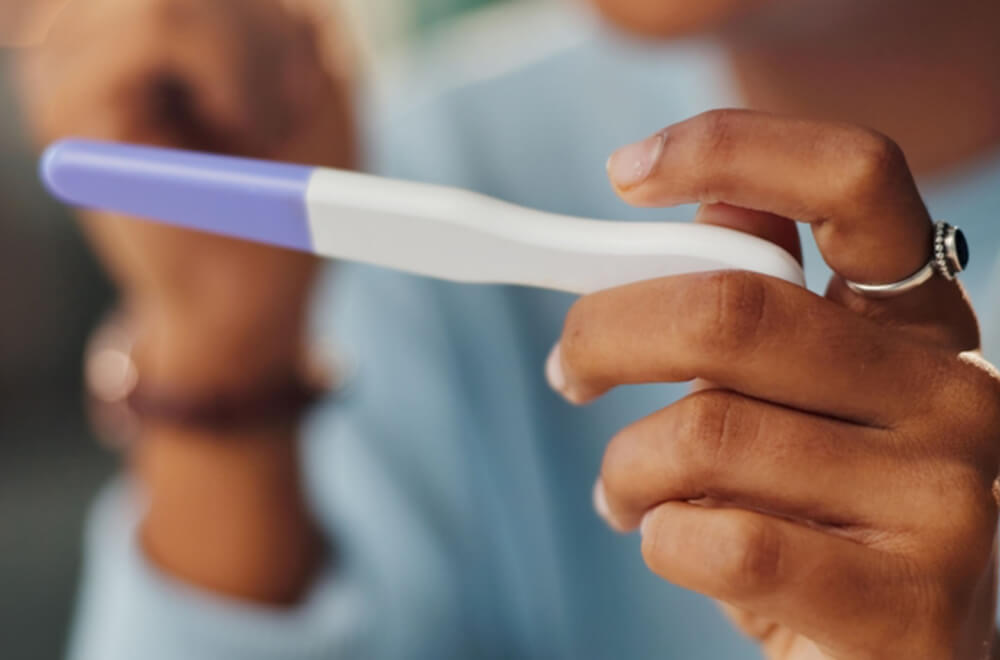
Patients often ask a very direct question: does uterine fibroid embolization affect pregnancy? The concern is valid, especially when fibroids grow large and symptoms begin to interfere with daily life and future plans. Many women live with fibroids for years, then reach a point where they want clarity about treatment and fertility at the same time.
What Is Uterine Fibroid Embolization?
To understand fertility after treatment, it helps to first answer what is uterine fibroid embolization. Uterine Fibroid Embolization, commonly called UFE, is a minimally invasive procedure that targets fibroids by cutting off their blood supply. A specialist inserts a thin catheter through a small entry point, usually in the wrist or groin, and guides it to the arteries that feed the fibroid. Tiny particles then block those vessels, which causes the fibroid to shrink over time.
This approach does not involve open surgery. It does not remove the uterus. It focuses only on the fibroid itself. Recovery stays relatively quick compared to traditional surgery, and most patients return to normal activities within days.
Does Uterine Fibroid Embolization Affect Pregnancy?
The short answer is that does uterine fibroid embolization affect pregnancy remains a nuanced question. The goal of UFE is to shrink fibroids while preserving the uterus. When performed with precision and proper imaging, the procedure protects the surrounding uterine tissue.
Fibroids themselves often cause fertility issues. They can distort the uterine cavity, block fallopian tubes, or interfere with implantation. In such cases, treating the fibroid may actually improve the chances of conception.
At the same time, every uterus responds differently. The impact of UFE on uterus depends on fibroid size, location, and the technique used during the procedure. This is why patient selection and expertise matter more than the procedure alone.
Can You Get Pregnant After UFE?
A common follow-up question is simple: can you get pregnant after UFE? Yes, many women have conceived and delivered healthy babies after the procedure. Clinical experience and real world outcomes continue to support this.
However, doctors usually recommend a careful evaluation before planning a pregnancy. The uterus needs time to heal and stabilize after fibroid shrinkage. Most specialists suggest waiting several months before trying to conceive.
Fertility outcomes depend on individual factors. Age, ovarian reserve, fibroid characteristics, and overall reproductive health all play a role. A personalized assessment provides a more accurate expectation than general statistics.
Impact of UFE on Uterus
Understanding the impact of UFE on uterus helps remove unnecessary fear. UFE targets abnormal blood flow to fibroids while maintaining circulation to healthy uterine tissue. Modern techniques use advanced imaging to ensure accuracy and safety.
In well performed procedures, the uterus retains its structure and function. The lining of the uterus continues to support normal cycles. Over time, as fibroids shrink, symptoms such as heavy bleeding and pressure improve, which also creates a healthier environment for potential pregnancy.
There are rare cases where reduced blood supply may affect parts of the uterine wall. This risk remains low when an experienced specialist performs the procedure with precision guided imaging.
Best Treatment for Fibroids If Planning Pregnancy
Choosing the best treatment for fibroids if planning pregnancy depends on preserving the uterus while effectively treating fibroids. In this case, surgery is not a good option as it often involves more disruption and recovery.
Minimally invasive options offer a more balanced approach. UFE, in particular, treats multiple or complex fibroids without cutting into the uterus, helping maintain its natural structure. With precise imaging and expertise, it manages symptoms while keeping fertility considerations intact.
A detailed consultation guides the final decision, but the preference often shifts toward solutions that treat effectively while preserving future possibilities.
Precision Matters More Than Procedure
The outcome of UFE does not depend only on the technique. It depends on how precisely the procedure is performed. Advanced imaging, 3D mapping, and targeted embolization techniques allow specialists to treat fibroids while preserving uterine health.
This level of precision reduces complications and supports better reproductive outcomes. It also explains why some patients report excellent fertility results after UFE, while others may not achieve the same. It all depends on the doctor performing the procedure and their expertise.
Realistic Expectations and Planning Ahead
Patients should approach UFE with realistic expectations and plan ahead. Discuss fertility goals with the doctor before the procedure. Ask about timing, follow-up imaging, and when it is safe to try for pregnancy. A structured plan removes uncertainty and supports better outcomes.
Contact for Consultation:
Hotline: 03311110397
wa.me/+923302963300
wa.me/+923312597322
Dr. Imtiaz Ahmad
FAQs