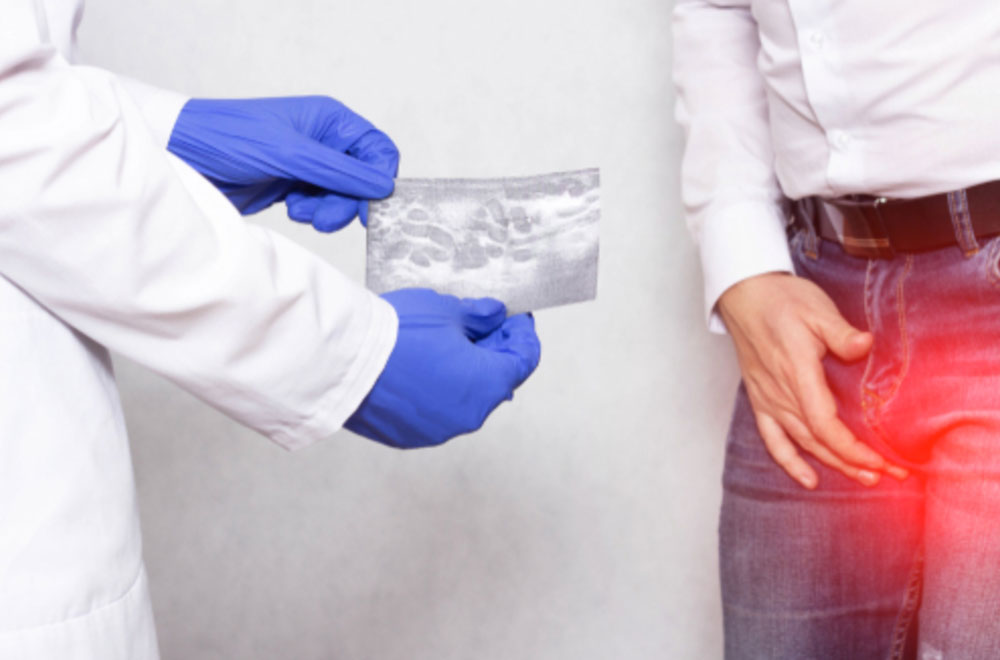
Male infertility symptoms are often silent, which is exactly what makes them dangerous to ignore. A man can go years without realising that a correctable vascular condition is steadily compromising his reproductive health, and by the time an abnormal semen analysis prompts investigation, the damage has already been accumulating. Varicocele is the most common correctable cause of male infertility, found in 35 to 40 percent of men evaluated for the condition, yet it remains widely underdiagnosed because its early signs are either absent or easily dismissed.
What Is a Varicocele?
A varicocele is an abnormal enlargement of the veins inside the scrotum that are responsible for draining blood away from the testicles. When the valves inside these veins fail, blood flows backward and pools, causing the veins to swell in a pattern similar to varicose veins in the legs. The left side is affected in roughly 90 percent of cases due to the angle at which the left testicular vein connects to the larger vein above it, creating higher resistance and making valve failure more likely.
Why Varicocele Damages Fertility?
The testicles sit outside the body because sperm production requires a temperature 2 to 4 degrees Celsius below core body temperature. Pooling blood raises scrotal temperature enough to disrupt sperm production at a cellular level. Beyond heat, varicocele also increases oxidative stress in the testicular environment, impairs testosterone production, and disrupts the hormonal signals that coordinate healthy sperm development. These effects compound over time, which is why untreated varicocele is a progressive condition rather than a stable one.
Recognising Male Infertility Symptoms Linked to Varicocele
Male infertility symptoms linked to varicocele rarely announce themselves clearly, and that is precisely the problem. The condition often develops over years before it surfaces in a way that prompts medical attention.
Physical Symptoms
The most common physical sign is a dull, aching heaviness in one or both testicles that worsens after prolonged standing, physical exertion, or heat exposure and eases when lying down. This pattern directly reflects venous pooling that increases with upright posture. In higher-grade varicoceles, a soft, irregular mass is detectable on the left side of the scrotum, often described as feeling like a bag of worms, while lower-grade cases require scrotal ultrasound with Doppler imaging to confirm the diagnosis.
Reproductive Symptoms
The signs of male infertility that bring most men to a specialist are reproductive rather than physical. Semen analysis typically shows low sperm count, reduced motility, and a high proportion of abnormally shaped sperm. Elevated sperm DNA damage is another important finding that standard testing may not capture but which directly affects the chances of fertilisation and healthy embryo development.
Hormonal Symptoms
As testicular function declines, the body compensates by altering hormone levels, and measurable reductions in testosterone can follow. This can contribute to reduced energy, lower sex drive, and difficulty maintaining muscle mass, all of which are recognised signs of male infertility that extend beyond semen quality alone.
Diagnosing Varicocele Accurately
Diagnosis begins with a thorough clinical history and physical examination conducted by a specialist experienced in male reproductive medicine. Scrotal Doppler ultrasound is the gold standard imaging modality, confirming retrograde venous reflux, grading varicocele severity, and measuring vein diameter to guide treatment planning. Semen analysis should adhere to the World Health Organization 2021 reference criteria, and sperm DNA fragmentation testing adds important information that basic parameters do not reflect.
Hormonal profiling covering testosterone, FSH, LH, and prolactin completes the functional assessment of testicular health. Coexisting male infertility causes including genetic factors, accessory gland infections, and endocrine disorders should be systematically excluded before attributing infertility solely to varicocele, ensuring the treatment plan is built on a complete and accurate clinical foundation.
Male Infertility Treatment: 3D Precision Guided Endovascular Varicocele Embolization
Male infertility treatment for varicocele has advanced significantly, and the current gold standard for minimally invasive care is 3D Precision Guided Endovascular Varicocele Embolization, a procedure that targets the problem at its vascular root without surgical incision or general anaesthesia.
How the Procedure Works
The procedure involves inserting a thin, flexible tube through a small puncture, usually at the neck, guided by real-time three-dimensional imaging. Embolic material is delivered precisely into the affected vein to block the backward blood flow causing the varicocele. The three-dimensional guidance allows the physician to map the full venous anatomy, identify any additional channels that could cause recurrence, and ensure the treatment is complete in a single session with a level of precision that older two-dimensional methods simply cannot provide.
Recovery and Results
Most men return to normal activity within 24 to 48 hours. Sperm quality typically begins improving within three months, with the most significant gains measurable at six months, which corresponds to one full sperm production cycle. Testosterone levels recover in a meaningful proportion of men, and sperm DNA damage consistently reduces following successful treatment. For men carrying male infertility symptoms driven by varicocele, this intervention offers the most targeted, evidence-supported path to recovery available today.
When to Seek a Specialist Consultation
Any man who has received an abnormal semen result, has been trying to conceive without success for twelve months or more, or has noticed scrotal discomfort or any of the signs of male infertility described here should seek specialist evaluation without delay. Varicocele is progressive and the window for optimal recovery narrows as damage accumulates, making early assessment genuinely important rather than merely precautionary.
Take the Right Step With the Right Specialist
If you have been experiencing any of these symptoms or have received results that concern you, the most important decision you will make is choosing the right doctor. Dr Imtiaz Ahmad brings over 20 years of experience in interventional and endovascular medicine, specialising in minimally invasive treatments that address the root cause rather than managing just the symptoms. If you are ready to find real answers and explore the most advanced treatment available, book a consultation and take the first step toward a path forward.
Contact for Consultation:
Hotline: 03311110397
wa.me/+923302963300
wa.me/+923312597322
Dr. Imtiaz Ahmad
FAQs