OPD Timings
- Farooq Hospital Lahore
Monday – Saturday
(9 am to 8 pm)
Sunday OFF
- Omi Hospital
Monday to Friday
(9 am to 8 pm)
Saturday
(9 am to 8 pm)
Sunday OFF
Contact Info
- Karachi: (021) 32258075 – 79
Lahore: (042) 111 000 043 - Whatsapp: 03312597322
- info@drimtiazahmad.com
For Consultation
Varicose and Spider Veins Non-thermal Treatments
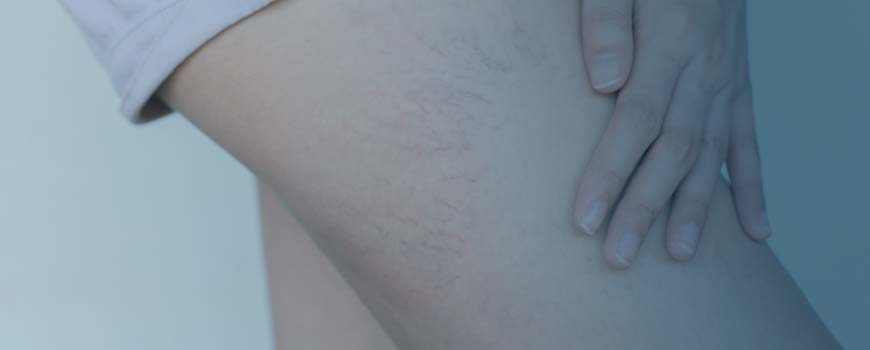
The latest and easiest treatment for varicose veins and spider veins without surgery.
- What are capillaries?
- Is it possible to prevent them?
- What is the difference between varicose veins and spider veins?
- What are the health risks of varicose veins?
- What are the treatments for varicose veins?
- Closing and removing the vein.
- Sclerotherapy.
- Elimination of radiofrequency.
- Endovenous.
- VenaSeal.
Healthy blood vessels with normal blood without oxygen
The gene that takes you back to the heart. When these one-way valves that perform this function become defective (called chronic venous insufficiency), blood can flow backward and into the veins. After pregnancy, in obesity, varicose veins develop in people over the age of 50, if you have a genetic predisposition or a profession that requires long-standing.
“If either parent has the disease, you have a 50 percent chance. If both parents have varicose veins, you have a 98 percent chance. According to Prof Dr. Imtiaz Ahmed,” I Not sure if you can stop them completely. But you can delay them.” The steps you can take include exercising, checking your body weight, and wearing compression socks.
Varicose veins protrude from the skin and are enlarged, lumpy, and curved, while spider veins merge into thin lines. Despite the obvious, the two conditions sometimes share a common cause: a lack of chronic venous thrombosis. Superficial spider veins do not have the same discomfort as varicose veins. Liquid sclerotherapy is the most common treatment for spider veins.
If left untreated, varicose veins will deteriorate. They can rupture and bleed, and cause skin ulcers and blood clots. Deep vein thrombosis, a clot that breaks loosely and can cause a pulmonary embolism, can be fatal.
Varicose veins have similar success rates (approximately 90% or more), but the best treatment will depend on the size of the veins in your problem and the pattern of your blood flow. The same treatment is not for everyone here. “Medium to late-stage chronic venous disease may require a variety of treatments.” Expecting a diagnosis usually includes ultrasound or other imaging.
1. VenaSeal – A new and latest treatment option
A small catheter is inserted into the varicose vein and guided along the varicose vein by ultrasound. The medical grade adhesive is then slowly inserted into the vein while it is pressed together until the length of the vein is treated. The process, about 30-40 minutes long, prompts it. It just shuts down. This is a very safe treatment and you do not need to wear compression socks after this treatment and there is an immediate recovery.
2. Sclerotherapy.
Spider veins and small varicose veins can be injected with liquid sclerotherapy. A fluorescent, detergent-type material causes the inner lining of the veins to stain. For large veins, sclerotherapy can be done with a foaming agent, although many clinics do not offer this method because the foam can travel unexpectedly and increase the risk of heart attack and stroke in patients. Depending on how many veins need to be treated, the procedure can take five to 30 minutes. Dangers: Injury, scarring, allergic reactions. Hyperpigmentation is the most common side effect after skin discoloration, or inflammation, and can take up to a year to subside (in rare cases, it can be permanent).
3-D Guided Endovascular Varicocele Embolization has NO side effects, unlike major surgery. No general anesthesia is given. Hardly recovery time is less than 24 hours. No “Open Surgery” lifelong medicines or injections to take rest of your lives.
Please whatsapp all your reports and call us at 03312597322 for appointment and packages.(First come first serve for selected spots)
FAQ’s
Varicose Veins
What causes varicose veins and spider veins?
Varicose veins and spider veins form when veins in the legs or other areas fail to circulate blood efficiently. Healthy veins have one-way valves that keep blood moving toward the heart. When these valves weaken or fail, blood can pool, causing veins to stretch, twist, or bulge.
Common causes include:
- Genetics: Family history increases the risk of weak vein valves
- Age: Vein walls and valves naturally weaken over time
- Prolonged standing or sitting: Reduces circulation and increases pressure in the legs
- Obesity: Extra weight places stress on veins
- Hormonal changes: Pregnancy, puberty, or menopause can affect vein health
- Injury or trauma: Can damage valves and veins
Spider veins are smaller, often superficial, and appear as thin red or blue lines. Varicose veins are larger, bulging veins that may cause heaviness, pain, or swelling. Early evaluation and minimally invasive treatments can prevent progression and improve long-term vascular health.
What are the latest non-surgical treatments for varicose veins?
The newest and most effective treatments for varicose veins focus on minimally invasive methods that do not require open surgery. One of the latest options is VenaSeal, where a small catheter is guided along the affected vein using ultrasound. A medical-grade adhesive is applied to close the vein, allowing blood to reroute through healthy veins. The procedure is quick, typically 30 to 40 minutes, requires no compression socks afterward, and recovery is immediate.
Sclerotherapy is another widely used non-surgical option. It involves injecting spider veins or small varicose veins with a liquid solution that closes the vein. For larger veins, a foamed version of the solution can be used, though it carries slightly higher risks. The procedure usually takes 5 to 30 minutes, depending on the number of veins treated. Mild side effects such as temporary discoloration or inflammation can occur.
What is VenaSeal and how does it work?
VenaSeal is a minimally invasive treatment for varicose veins that uses a medical-grade adhesive to close the affected vein. A small catheter is guided along the vein using ultrasound, and the adhesive is applied to seal it shut. Once the vein is closed, blood naturally reroutes through healthy veins. The procedure takes about 30 to 40 minutes, requires no compression socks afterward, and allows for immediate recovery. VenaSeal is safe, effective, and avoids the need for surgery or long downtime.
Can vein treatment remove pain and heaviness in legs?
Yes. Minimally invasive vein treatments such as VenaSeal, sclerotherapy, radiofrequency ablation, or endovenous laser therapy can significantly reduce discomfort, heaviness, and swelling in the legs caused by varicose veins or poor circulation. By closing the faulty veins, these procedures improve blood flow through healthy veins, relieving pressure and reducing symptoms. Most patients notice relief shortly after treatment, and long-term results help prevent recurrence of pain and heaviness.

Dr. Ahmad has been practicing in the health care industry for more than 20 years.
In 1995 he completed his fellowship at Northwestern University Chicago Illinois USA.