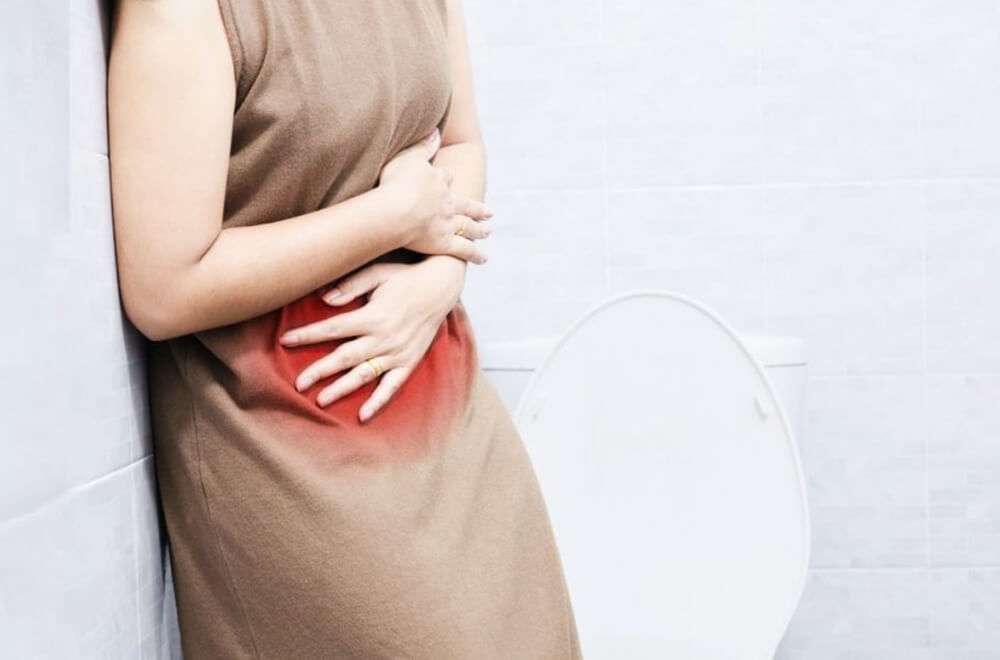
One of the most common and overlooked causes of heavy bleeding in women are uterine fibroids and adenomyosis, two conditions that are far from rare, yet so widely misunderstood. They affect millions of women across Pakistan and around the world, and yet so many suffer in silence, convincing themselves that heavy periods in women are just something they have to endure. They are not, and understanding what is actually happening inside your body is the first step toward getting your life back.
What Are Uterine Fibroids?
Uterine fibroids are non-cancerous growths that develop inside or around the wall of the uterus, varying in size from tiny seedlings to large masses that can completely distort its shape. Depending on where they grow and how large they become, fibroids can put pressure on surrounding tissue, interfere with normal uterine contractions, and directly contribute to uterine fibroids bleeding that is far heavier than anything a normal cycle should produce. Most women with fibroids describe their periods as completely unmanageable: longer than usual, accompanied by severe cramping, and exhausting in a way that goes well beyond physical discomfort.
What Is Adenomyosis?
Adenomyosis happens when the tissue that normally lines the uterus grows into the muscular wall of the uterus itself, and every month, when that tissue responds to hormonal changes, it bleeds inside the muscle with nowhere to go. This causes the uterus to enlarge, become tender, and produce adenomyosis symptoms that include extremely painful, heavy periods, pelvic pressure, and a constant sense of bloating or fullness.
Beyond the bleeding, adenomyosis symptoms also commonly include pain during intimacy and a steady deterioration of quality of life that many women have, unfortunately, simply learned to accept as normal.
The Real Reasons for Heavy Periods
When women ask about the reasons for heavy periods, fibroids and adenomyosis are two of the most significant answers, and here is how they create that relentless cycle of bleeding and misery:
- Fibroids disrupt the normal mechanism the uterus uses to control bleeding, so the uterus simply cannot clamp down the way it should.
- Adenomyosis increases the surface area of the uterine lining that sheds each month, making uterine fibroids bleeding and adenomyosis-related bleeding far more voluminous than expected.
- Both conditions trigger intense uterine contractions, leading to severe cramping that runs alongside the heavy bleeding.
- They can also cause leucorrhoea, a watery or mucus-like vaginal discharge that adds to the discomfort and forces women to change pads constantly throughout the day.
How These Conditions Affect Intimacy and Quality of Life
The causes of heavy bleeding do not just affect your period days; these conditions follow you through your entire month. Dyspareunia, which is pain during intimacy, is directly linked to both fibroids and adenomyosis, as the inflammation, pressure, and enlarged uterus make physical closeness painful rather than pleasurable. It is a medical consequence of an untreated condition, and it deserves proper attention.
The good news is that once the underlying problem is addressed, once the pain eases, the heavy periods in women become manageable, and the leucorrhoea resolves, quality of life transforms in ways that genuinely surprise people. Women report feeling like themselves again; the pain during intimacy disappears, and life becomes something they can actually enjoy again.
3-D precision guided Uterine Artery Embolization: A Modern, Minimally Invasive Solution
One of the most effective treatments available today for fibroids and adenomyosis is UFE, also known as Uterine Artery Embolization (UAE). Rather than removing the uterus or the fibroids surgically, 3-D precision guided Uterine Artery Embolization works by cutting off the blood supply to the fibroids, causing them to shrink and die off over time. It is a minimally invasive procedure that preserves the uterus entirely, which makes it a particularly important option for women who still wish to conceive.
The procedure itself is guided by fluoroscopy, and one of its most appreciated aspects is the fluoroscopic guided nerve block that keeps patients comfortable and pain-free for 18 to 20 hours after the procedure. Most patients are discharged within just a few hours, while some may stay overnight for additional monitoring; either way, the recovery time is remarkably short compared to conventional surgery.
What sets this approach apart, beyond the procedure itself, is what comes after. Dr. Imtiaz Ahmad and his team manage a thorough follow-up with each patient for up to 6 to 12 months post-treatment, monitoring recovery, tracking fibroid reduction, and paying special attention to cases where restoring fertility was also one of the aims.
What Treatment Can Do for You
Treating these conditions is not just about stopping uterine fibroids bleeding or reducing adenomyosis symptoms; it is about giving a woman her life back entirely. When the bleeding stops, the pain settles, and the discharge resolves, the transformation people experience is remarkable: they sleep better, move better, and simply feel better in their own skin.
Clinically, we have seen tremendous improvements in patients who finally address their fibroids and adenomyosis rather than pushing through the suffering month after month, year after year.
Speak to a Specialist Today
If you are concerned about these symptoms or facing heavy bleeding that is disrupting your daily life, you can reach out to Dr. Imtiaz. Our consultant gynaecologists are ready to provide you with detailed information and guide you toward the right treatment.
Contact for Consultation:
Hotline: 03311110397
wa.me/+923302963300
wa.me/+923312597322
Dr. Imtiaz Ahmad
Frequently Asked Questions