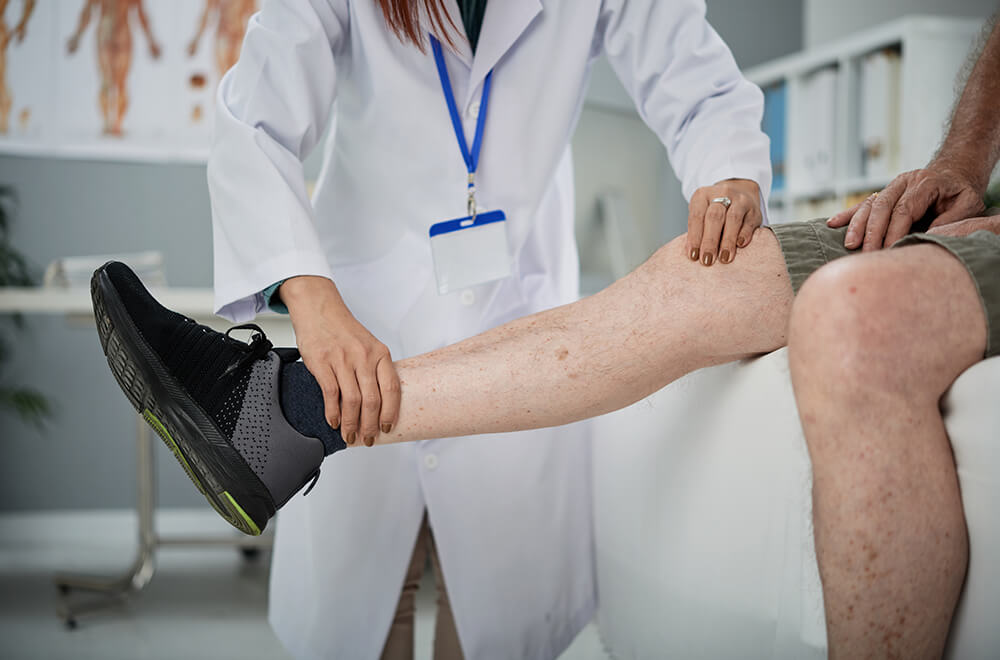
Many people look at their hands and suddenly notice visible vessels that seem larger than before. For some, these changes simply become more noticeable with age. However, for others they cause discomfort, pain, or concern. When enlarged veins in hands begin to appear along with symptoms such as swelling or pain, the body may be sending an important signal. The good news is that modern vascular care offers safe and effective treatment options. With timely evaluation and appropriate medical guidance, recovery remains possible even if symptoms have persisted for a long time.
Understanding Enlarged Veins in the Hands
Doctors frequently see patients who ask why the vessels on their hands suddenly look more visible or feel uncomfortable. In many cases, enlarged veins in hands occur because the blood vessels stretch and become more prominent beneath the skin. Age, genetics, weight loss, and frequent hand activity can make them easier to see.
However, visibility alone does not always indicate a medical problem. Some individuals naturally develop prominent veins in hands due to thinner skin or strong circulation. Still, pain, swelling, or skin changes require proper evaluation by a vascular specialist.
Patients also often ask about vein swelling in hand and whether it signals a deeper circulation issue. In some cases, swelling develops when blood flow becomes inefficient. When circulation fails to move blood efficiently toward the heart, pressure builds up and causes enlargement.
Why Do My Veins Hurt in My Hand?
A common concern people share during consultation involves discomfort or tenderness. Many ask, why do my veins hurt in my hand when the vessels appear larger than usual. Pain can occur for several reasons.
First, inflammation inside the blood vessel can create pressure and soreness. Second, minor weakness of the internal valves can disrupt smooth circulation. Third, repetitive strain from daily activities may irritate sensitive vascular structures in the hands.
In addition, underlying vascular disease may sometimes contribute to discomfort. Therefore, a thorough examination helps identify the underlying cause rather than relying on guesswork.
Difference Between Enlarged Veins and Varicose Veins
Many patients confuse visible hand vessels with leg circulation problems. However, the difference between enlarged veins and varicose veins matters when deciding on treatment.
Typically, enlarged veins in hands appear straight and visible beneath thin skin. They may look prominent but often continue to function normally. Varicose veins, on the other hand, usually develop in the legs where gravity places more pressure on the vascular valves.
This condition often creates twisted, bulging vessels along with symptoms such as heaviness, swelling, skin discoloration, and sometimes ulcers. When left untreated for long periods, circulatory problems can lead to complications, including venous ulcers that do not heal.
Understanding this difference helps patients choose the appropriate medical path rather than ignoring symptoms or assuming they are purely cosmetic.
When Enlarged Veins Need Medical Attention
Although many cases remain harmless, some warning signs require professional evaluation. Patients should seek medical care if enlarged veins in hands appear along with pain, persistent swelling, skin discoloration, or changes in skin texture.
Similarly, anyone with long standing leg circulation problems must remain cautious. Untreated varicose veins may eventually lead to venous ulcers. These wounds develop when damaged vessels allow pressure to build up in surrounding tissues.
Once an ulcer forms, healing becomes difficult unless doctors correct the underlying circulation problem. Treating the affected vessel first allows the wound to close properly and reduces the risk of recurrence.
The Safest and Most Effective Treatment Options
Modern vascular care now focuses on treatments that correct circulation problems without traditional surgery. When specialists evaluate enlarged veins in hands or leg circulation disease, they often recommend minimally invasive techniques that close the unhealthy vessel and redirect blood flow to healthier pathways.
VenaSeal
One of the most advanced options used today is VenaSeal. During this treatment, the physician uses ultrasound imaging to guide a very thin catheter into the affected vessel. Once the catheter reaches the correct position, a specially designed medical adhesive seals it from the inside. When closure occurs, blood naturally reroutes through nearby healthy pathways and circulation improves.
The procedure usually takes about 30 to 40 minutes and patients remain comfortable throughout the process. Most people return to normal daily activity shortly afterward. Another advantage many patients appreciate is that recovery is simple and typically does not require wearing compression stockings after treatment.
Sclerotherapy
Another well established option for smaller vascular concerns is sclerotherapy. In this treatment, the physician carefully injects a specialized solution into the targeted vessel. The solution irritates the lining, which causes it to close and gradually fade as the body absorbs it.
Doctors frequently use this treatment for spider veins and smaller varicose veins. When slightly larger vessels require treatment, a foamed version of the solution may be used to spread more effectively within the area. The treatment itself generally takes between 5 and 30 minutes depending on how many areas need attention.
Patients sometimes notice mild, temporary effects such as slight skin discoloration or minor inflammation around the treated area. These effects usually resolve on their own as the body continues the healing process. Because both treatments avoid large incisions and lengthy recovery periods, they are often considered among the safest and most effective options in modern vascular care.
When Expert Evaluation Becomes Essential
Effective vascular treatment requires more than a quick procedure. Skilled specialists carefully evaluate the patient, identify the root cause of the circulation problem, and design a personalized recovery plan.
Patients who visit an experienced vascular clinic often receive detailed consultations from trained physicians specializing in circulation disorders. During this consultation, doctors review symptoms, perform diagnostic ultrasound imaging, and determine the condition. Anyone experiencing similar symptoms should schedule a consultation as soon as possible.
Dr Imtiaz is a USA licensed endovascular surgeon and interventional radiologist who specializes in modern minimally invasive vascular treatments. His expertise in advanced procedures enables patients to receive precise diagnoses, safe treatment, and comprehensive care for complex circulation conditions.
If you would like to consult Dr Imtiaz, contact us at,
Hotline: 03311110397
wa.me/+923302963300
wa.me/+923312597322
Dr. Imtiaz Ahmad
Frequently Asked Questions