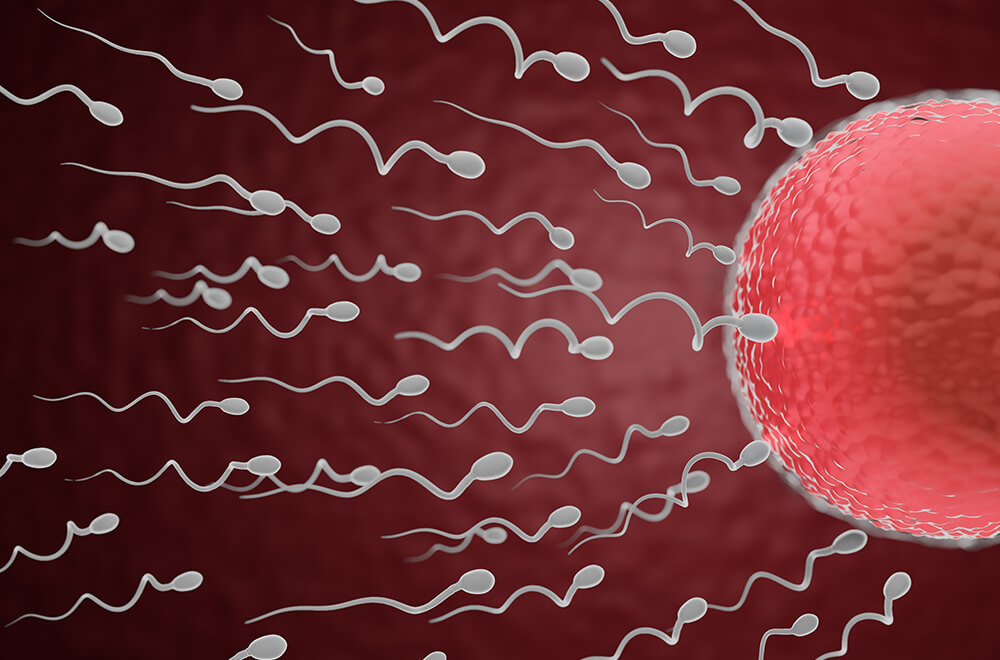
A very common question comes from patients who say, “I already have a child, but now I cannot conceive again. I recently checked, and I have zero sperm count.” Naturally, this leads to concern and confusion. So, what is azoospermia, and why does it happen even when everything seemed normal before?
To begin with, it is a medical condition where there is no measurable sperm in a man’s semen. As a result, natural conception becomes difficult. However, this does not mean the situation is hopeless. In fact, many cases have clear causes and, more importantly, practical solutions.
Understanding Male Infertility
When discussing male infertility azoospermia, it is important to understand that it does not happen overnight. In many cases, the condition develops gradually. For example, a man may have had a normal sperm count in the past and was able to conceive. However, over time, certain underlying conditions can worsen and lead to zero sperm production.
One of the most common and often overlooked causes is varicocele. This condition involves enlarged veins in the scrotum, which increases the temperature around the testes. As a result, sperm production gets affected. Initially, it may not cause any major issues, which is why conception can still happen earlier in life. However, if left untreated, it can gradually reduce sperm count and eventually lead to no sperms.
In addition to varicocele, hormonal imbalances, genetic conditions, infections, and blockages in the reproductive tract can also contribute to male infertility. Therefore, identifying the exact cause becomes the first and most important step.
Symptoms of Azoospermia You Should Not Ignore
Now, many patients ask about the symptoms of azoospermia. Interestingly, most men do not notice any obvious signs in the early stages. This is why the condition often goes undetected until someone actively tries to conceive.
However, there are subtle indicators that you should not ignore. For instance, reduced sexual performance, low stamina, and decreased muscle strength can point toward hormonal issues. Similarly, discomfort or swelling in the scrotum may suggest a varicocele.
In some cases, patients report a decrease in libido or changes in ejaculation. While these signs do not confirm any problem with sperm on their own, they certainly raise suspicion. Therefore, if you experience any of these symptoms, it becomes essential to seek proper evaluation.
What Causes Azoospermia?
To better understand what is azoospermia, we must look deeper into its causes. Broadly, it falls into two categories.
First, obstructive azoospermia occurs when sperm production remains normal, but a blockage prevents sperm from entering the semen. This can occur due to infections, prior surgeries, or congenital absence of the ducts.
Second, non-obstructive azoospermia occurs when the testes fail to produce sperm effectively. This can result from hormonal imbalances, genetic factors, or long-standing conditions such as an untreated varicocele.
As mentioned earlier, varicocele remains one of the most common yet treatable causes. Over time, it can damage the sperm-producing cells. Therefore, early detection plays a crucial role in preventing progression.
Is There an Effective Azoospermia Treatment?
Now comes the most important question: treatment. The answer depends on the underlying cause, but when a varicocele is involved, modern medicine now offers a far more advanced and targeted solution.
One of the most effective options available today is 3-D Precision Guided Endovascular Treatment for varicocele-related male infertility. Unlike traditional surgery, this technique works from inside the body using advanced imaging guidance. As a result, it treats the affected veins with exceptional accuracy and a high success rate, while avoiding large incisions and prolonged recovery.
Moreover, this approach directly addresses the root cause, and patients typically experience less discomfort, faster recovery, and a quicker return to daily activities. This makes it a preferred choice for individuals who want an effective yet convenient azoospermia treatment.
At the same time, not all cases involve varicocele alone. Therefore, a proper evaluation still plays a critical role. In some situations, hormonal support or sperm retrieval techniques may complement the treatment plan.
With the right diagnosis, you can access cutting-edge solutions that not only treat the condition but also restore confidence and peace of mind.
Azoospermia and IVF: What Are Your Options?
For many couples, assisted reproductive techniques offer hope. When discussing azoospermia and IVF, it is important to understand how modern medicine supports conception.
Even when sperm is not present in semen, doctors can often retrieve it directly from the testes using specialized techniques. Once retrieved, these sperm can be used in procedures like IVF or ICSI.
Moreover, advancements in reproductive medicine continue to improve success rates. As a result, more patients achieve successful pregnancies today than ever before.
Why Early Evaluation Matters
At this point, many patients continue to guess, overthink, and delay consultation. However, this approach only makes things worse. Instead of worrying day and night about what went wrong, it makes far more sense to get a clear answer.
A proper evaluation does not take long. Within a short time, a trained consultant can determine whether the issue is due to a varicocele, hormonal imbalance, or another cause. Once identified, the treatment plan becomes straightforward.
Delaying care, on the other hand, allows conditions like varicocele to worsen. Over time, this can reduce hormone levels, weaken physical performance, and further affect fertility.
Take the Right Step Forward
If you or someone you know faces this situation, the best course of action is to seek expert guidance. A quick consultation can provide clarity, direction, and peace of mind.
Rather than assuming the worst, get yourself assessed. If a problem exists, you will receive proper guidance toward a solution. And if everything looks manageable, you will avoid unnecessary stress.
If you would like to consult Dr. Imtiaz, contact us at
Hotline: 03311110397
wa.me/+923302963300
wa.me/+923312597322
Dr. Imtiaz Ahmad
Frequently Asked Questions