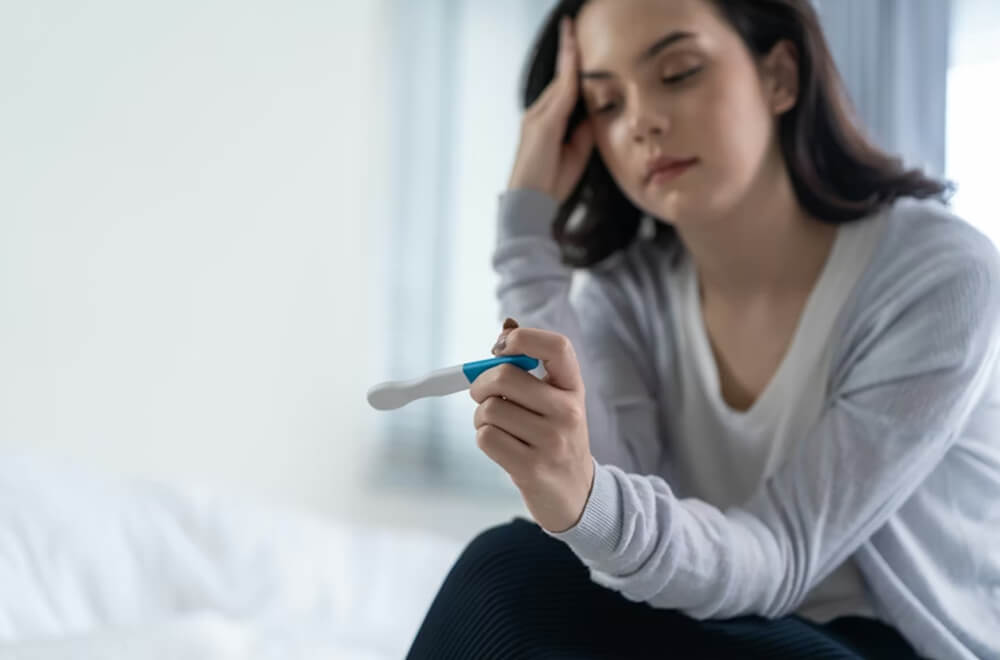
The causes of infertility in women often get misunderstood, mislabelled, and unfairly blamed on women alone. However, infertility is never a single-person issue. Pregnancy requires healthy contribution from both partners. Clinical experience across Southeast Asia shows that in nearly 70 to 80 percent of infertility cases, the underlying problem lies with male factors, particularly semen quality. Despite this reality, social myths continue to place the burden entirely on women.
At the same time, when female-related conditions do exist, timely diagnosis and the right treatment can completely change outcomes. Modern, uterus-saving treatments now allow women to restore fertility without major surgery, prolonged recovery, or permanent damage.
Understanding Infertility Beyond Social Myths
Before discussing medical conditions, it is essential to address a deeply rooted misconception. Infertility does not mean permanent childlessness, and it does not automatically originate from the woman. In many households, men avoid testing due to social stigma. Mothers of husbands often discourage evaluation, assuming their sons are healthy while blaming the woman for unrelated reasons. This mindset delays diagnosis and worsens emotional trauma.
Medical reality demands shared responsibility. Fertility evaluation must always involve both partners together. One healthy sperm is enough to conceive, yet sperm count, motility, morphology, and DNA quality frequently cause delays in conception. Ignoring male testing leads to years of unnecessary suffering.
Male Factor Infertility: The Overlooked Reality
While this discussion focuses on female health, it remains critical to acknowledge male infertility. Lifestyle factors such as heat exposure, smoking, obesity, environmental toxins, stress, and genetics significantly affect sperm health. In regional clinical experience, male-related issues contribute to infertility far more frequently than global averages suggest.
Therefore, addressing infertility honestly means evaluating both partners early, without bias or blame.
Fibroids as a Major Cause of Infertility in Women
Uterine fibroids represent one of the most important causes of infertility in women, particularly when they disrupt the uterine cavity. Fibroids are non-cancerous muscle growths within the uterus. Many women conceive with fibroids; however, problems arise when multiple fibroids occupy space meant for implantation.
The uterus functions like a living space for the embryo. When fibroids crowd that space, implantation fails or recurrent miscarriages occur. Additionally, during pregnancy, fibroids grow under the same hormonal influence as the fetus, reducing space further and increasing pregnancy loss risk.
Modern treatment focuses on shrinking fibroids rather than removing the uterus. Advanced uterine artery embolization cuts blood supply to fibroids, causing them to shrink, calcify, or become inactive. There is no incision, no general anesthesia, and no prolonged hospital stay. Patients walk in and walk out the same day, and fibroids never migrate to other organs.
Adenomyosis and Its Role in Infertility
Adenomyosis is another overlooked but one of the most serious causes of infertility in women. It causes severe pelvic pain, heavy periods, and emotional exhaustion. Many women describe the pain as unbearable and life-disrupting. Over time, this chronic inflammation interferes with implantation and hormonal balance.
Modern treatments control symptoms without removing the uterus; they treat adenomyosis using targeted, fertility-preserving embolization techniques. As a result, women improve fertility potential while avoiding prolonged recovery. Several patients even conceive naturally shortly after treatment. Therefore, early diagnosis remains critical for protecting reproductive health.
Endometriosis and Infertility
The connection between endometriosis and infertility remains well established. Endometriosis occurs when tissue similar to the uterine lining grows outside the uterus. This leads to inflammation, scarring, and distorted pelvic anatomy.
Women with this condition often experience pelvic pain, painful periods, and fatigue. Early intervention prevents permanent damage. While surgery was once the primary option, minimally invasive treatments now manage symptoms effectively and preserve fertility.
Female Infertility Symptoms That Should Never Be Ignored
Recognizing female infertility symptoms early significantly improves outcomes. Many women normalize pain and irregular cycles, assuming discomfort represents a natural part of life. However, symptoms provide valuable clues.
Common warning signs include irregular menstruation, severe cramps, heavy bleeding, chronic pelvic pain, and unexplained fatigue. Furthermore, persistent pain during intimacy often signals underlying reproductive disorders. Addressing these symptoms promptly can prevent their progression and protect fertility.
How Stress Affects Fertility
While medical conditions play a central role, how stress affects fertility deserves serious attention. Chronic stress disrupts hormonal balance, delays ovulation, and weakens immune function. Emotional pressure, social stigma, and prolonged anxiety worsen reproductive outcomes.
Therefore, fertility treatment must address both physical and emotional well-being. Stress management, counseling, and supportive care significantly improve success rates when combined with medical intervention.
IVF, IUI, and Fertility After Embolization Treatment
Often, women worry about assisted reproductive options after treatment. However, advanced procedures do not disqualify patients from IVF or IUI. On the contrary, treating underlying conditions often improves assisted fertility outcomes.
Research consistently supports this approach. Patients successfully conceive naturally and through assisted techniques after targeted treatment. Therefore, myths should never prevent women from choosing the most effective medical solutions.
Preventive Care: A Missing Link in Fertility Health
Infertility prevention begins early. HPV vaccination at age 13 protects against cervical cancer, which increasingly appears in regional populations. Regular gynecological checkups, education, and early screening save lives and fertility.
Nutrition also plays a critical role. Vitamin D deficiency, calcium imbalance, anemia, and poor growth during adolescence affect future reproductive health. Many women enter pregnancy anemic, leading to complications that could have been prevented with early care.
Why Modern, Uterus-Saving Treatment Matters
Modern fertility care focuses on preserving the uterus, reducing recovery time, and addressing the root cause rather than masking symptoms. Minimally invasive embolization techniques target fibroids and adenomyosis by cutting their blood supply, allowing them to shrink and become inactive.
This approach avoids major surgery, general anesthesia, scars, and long hospital stays. Patients return to routine life within days instead of weeks. Most importantly, fertility potential remains protected, and repeat procedures rarely become necessary.
Conclusion
Infertility is not a woman’s problem. It is a couple’s concern that demands honesty, science, and compassion. While male factors account for a large percentage of cases, addressing female conditions such as fibroids, adenomyosis, and endometriosis remains essential.
With accurate diagnosis, modern minimally invasive treatments, and early intervention, couples regain control over their reproductive future.
For those seeking consultation regarding fibroids, adenomyosis, or fertility-preserving treatment options, an appointment can be scheduled with Dr Imtiaz Ahmad, a specialist with extensive experience in advanced, minimally invasive gynecological and vascular care, practicing according to globally accepted standards with a focus on safety and long-term outcomes.
Contact for Consultation
Hotline: 03311110397
wa.me/+923302963300
wa.me/+923312597322
Frequently Asked Questions
Can fibroids disappear after embolization?
Yes. Fibroids lose their blood supply after embolization, causing them to shrink, calcify, or detach naturally without harming fertility.
Does adenomyosis treatment affect fertility negatively?
No. Treatment improves fertility while controlling pain and regulating menstrual cycles, creating a healthier uterine environment.
Can women still pursue IVF or IUI after treatment?
Yes. After treating conditions like fibroids and adenomyosis, women often achieve better outcomes with IVF, IUI, or even natural conception.
How does stress affect fertility during treatment?
Stress can disrupt ovulation and hormonal balance, reducing fertility. Managing stress improves the chances of conception and treatment success.
When should couples seek fertility evaluation?
Couples should seek evaluation after one year of unsuccessful attempts or sooner if female infertility symptoms or other signs indicate a problem. Early assessment helps address the causes of infertility in women effectively.

Prof. Dr. Imtiaz Ahmad
Endovascular Surgical Specialist and Interventional Radiologist
Prof. Dr. Imtiaz Ahmad completed his Fellowship at Northwestern University, Chicago in 1995 and has over 25 years of practice across 25+ teaching and community hospitals in New York, New Jersey, and Connecticut. He is triple board-certified by the American Board of Radiology (DABR, DABR-VIR, DABR-IR/DR) and currently serves patients at Farooq Hospital in Lahore and OMI Hospital in Karachi, with online consultations available worldwide.
Still Have Questions?
Speak directly with our team — we’re happy to guide you.
0331 111 0397
24/7 Hotline · Lahore & Karachi