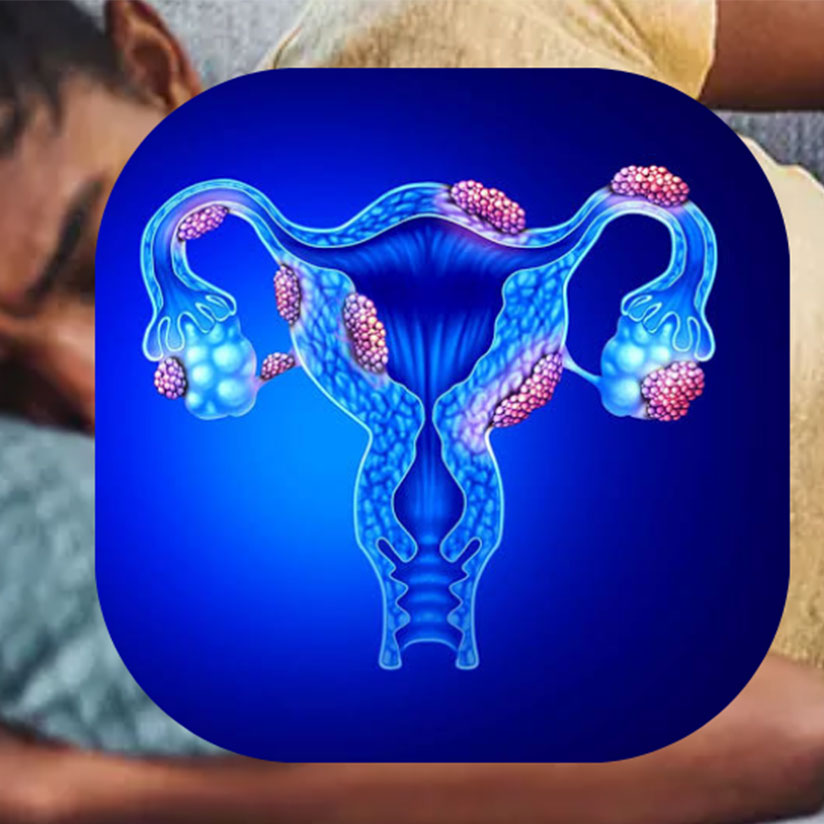
When considering treatment options for uterine fibroids, many women are concerned about whether 3-D precision-guided uterine fibroid embolization can lead to serious infections. While no medical procedure is risk-free, the fibroid embolization infection risk associated with UFE is extremely low. This makes it one of the safest minimally invasive treatments available for fibroids. Infection is reported to occur in fewer than 1% of patients undergoing the procedure.
3-D Precision Guided Uterine Fibroid Embolization Treatment is performed using sterile techniques. It does not involve any surgical incisions or removal of the uterus, which contributes to its favorable safety profile. Additional precautions, such as prophylactic antibiotics, may be considered in selected patients who are immunocompromised or have other risk factors for infection.
For most women, the benefits of symptom relief and a minimally invasive recovery significantly outweigh the already negligible risk of infection associated with the procedure.
Understanding which symptoms are part of the normal recovery process and which may require medical attention can help patients approach treatment with greater confidence and peace of mind.
Can 3-D Precision Guided Uterine Fibroid Embolization Treatment Cause an Infection?
Although rare, infection can occur after UFE as treated fibroid tissue breaks down and is gradually reabsorbed. In rare cases, this process can cause inflammation of the uterine lining. This can lead to infection involving degenerating fibroid tissue. Gas seen inside fibroids on CT or MRI after embolization is normal and not a sign of infection.
Uterine Fibroid Embolization Treatment is performed through a tiny catheter inserted via the groin under advanced 3-D real-time image guidance. The interventional radiologist can precisely identify and selectively treat the small blood vessels supplying the fibroids while preserving the main uterine arteries and healthy surrounding tissue. FDA-approved embolic particles are used to achieve targeted treatment with minimal tissue disruption, contributing to the very low fibroid embolization infection risk associated with the procedure.
Post-UFE Symptoms: Understanding Recovery and Warning Signs
During the recovery phase, it is normal to experience mild discomfort. Common symptoms include temporary pelvic pain, light vaginal discharge, and occasional low-grade fever as the treated fibroids gradually shrink. Most of these symptoms improve over the days following the procedure.
Patient comfort is a key part of UFE treatment. Before the procedure begins, a local anesthetic spray and local anesthetic are used to numb the groin, making catheter insertion virtually painless. During the procedure, intravenous and intra-arterial medications, together with a superior hypogastric nerve block, help control pain and significantly reduce post-embolization symptoms such as pelvic pain, nausea, and low-grade fever. As a result, most women remain comfortable and recover quickly.
Immediate medical attention is needed if the pain becomes persistent or progressively worsens along with high fever. Heavy bleeding and foul-smelling discharge require attention as they may indicate a uterine infection after fibroid treatment. Although the overall fibroid embolization infection risk remains extremely low, early evaluation of concerning symptoms is important to ensure prompt treatment if needed.
Other Possible Effects of the Procedure
Like any medical procedure, Uterine Fibroid Embolization carries some potential risks, although serious complications are rare. In addition to the low fibroid embolization infection risk, some women may experience temporary pelvic pain, cramping, fatigue, nausea, or a low-grade fever during the first few days after treatment. These effects are usually mild and improve as recovery progresses.
Since the procedure is performed through a tiny puncture in the groin rather than a surgical incision, there are no stitches and virtually no visible scars after healing. Most women recover quickly and return to their normal activities within a short time, making this procedure a safe, minimally invasive alternative to surgery.
How to Reduce Infection Risk After UFE?
3-D-guided Uterine Fibroid Embolization Treatment is performed under strict sterile conditions to minimize the risk of infection. Advanced 3-D imaging helps the interventional radiologist precisely target the blood vessels supplying the fibroids using FDA-approved embolic particles while preserving the surrounding uterus. Routine prophylactic antibiotics are not needed for most patients and are only given to selected women with weakened immunity or other specific risk factors.
Pain management is an important part of the procedure. Intravenous and intra-arterial medications, along with a superior hypogastric nerve block, help reduce pain and minimize post-embolization symptoms such as fever, nausea, and loss of appetite.
After the procedure, patients are observed, encouraged to walk early, and given detailed recovery instructions. Most women recover quickly and return to their normal routine within a short time.
Does Uterine Fibroid Embolization Affect Pregnancy?
Many women considering the treatment are concerned about future pregnancy. Does uterine fibroid embolization affect pregnancy? is a common question. Many women have gone on to have successful pregnancies following the procedure. Effects on fertility are uncommon, particularly when treatment is carefully planned based on the patient’s age, fibroid characteristics, and reproductive goals.
While it may cause temporary changes in menstrual cycle pattern during the recovery period, most women continue to have normal menstrual function after treatment. For women approaching menopause or over the age of 45, temporary or permanent changes in ovarian function have been reported.
Is UFE Still Considered a Safe Treatment for Fibroids?
UFE has been performed for more than three decades and is widely recognized as a safe and effective treatment for symptomatic fibroids. Modern fibroid embolization treatment uses advanced real-time imaging and FDA-approved embolic particles that have been extensively researched and safely used worldwide for decades.
Dr. Imtiaz Ahmad has been performing endovascular procedures using these technologies since the early 2000s, bringing years of experience to every case. The procedure avoids major surgery, preserves the uterus, and offers a much faster recovery than conventional surgical treatments.
For patients wondering if UFE causes infection, advances in technique, standardized protocols, and careful patient selection have reduced infectious complications to a very low incidence in modern practice. This low fibroid embolization infection risk, combined with effective symptom relief and shorter recovery times, has helped establish UFE as a leading minimally invasive treatment for fibroids.
Treatment decisions always take into account a patient’s age and reproductive goals to ensure the most appropriate management. Regular follow-up is an important part of care. Dr. Imtiaz Ahmad closely monitors patients after treatment to assess recovery, symptom improvement, and menstrual function, allowing any concerns related to fertility or ovarian function to be addressed.
Take the Right Step With the Right Specialist
Choosing the right specialist is just as important as choosing the right treatment. With over 20 years of experience in interventional and endovascular medicine, Dr. Imtiaz Ahmad specializes in 3-D Precision Guided Uterine Fibroid Embolization Treatment for fibroids. His approach combines advanced image guidance, embolic devices, comprehensive pain management, and personalized follow-up care to deliver safe, effective, and minimally invasive treatment. His focus on precision, patient comfort, and evidence-based care helps ensure the best possible outcomes for every patient.
If you would like to consult Dr. Imtiaz, contact us at
Hotline: 03311110397
wa.me/+923302963300
wa.me/+923312597322
Dr. Imtiaz Ahmad
Frequently Asked Questions
1: How is uterine fibroid embolization actually performed?
A. 3-D Precision Guided Uterine Fibroid Embolization Treatment is done by inserting a thin catheter through a small puncture in the wrist or groin. No incisions or cuts are made; hence, no scar marks are present. Tiny particles are then released into the uterine arteries to block blood flow to fibroids, causing them to shrink over time without surgery.
2. What symptoms suggest infection after UFE?
A. Persistent or worsening pelvic pain, high-grade fever, and foul-smelling vaginal discharge may suggest infection. Mild discomfort and low-grade fever can be normal early after the procedure, so the pattern and severity of symptoms are important in assessment.
3. Will I need to stay in the hospital after UFE?
A. Most patients stay for a few hours or overnight for observation and pain control. It is generally not a long hospital admission procedure. Many women go home the same or the next day.
4. Do I need follow-up after uterine fibroid embolization?
A. Yes, follow-up imaging and clinical review are usually done to assess fibroid shrinkage and ensure symptom improvement after the procedure.

Prof. Dr. Imtiaz Ahmad
Endovascular Surgical Specialist and Interventional Radiologist
Prof. Dr. Imtiaz Ahmad completed his Fellowship at Northwestern University, Chicago in 1995 and has over 25 years of practice across 25+ teaching and community hospitals in New York, New Jersey, and Connecticut. He is triple board-certified by the American Board of Radiology (DABR, DABR-VIR, DABR-IR/DR) and currently serves patients at Farooq Hospital in Lahore and OMI Hospital in Karachi, with online consultations available worldwide.
Still Have Questions?
Speak directly with our team — we’re happy to guide you.
0331 111 0397
24/7 Hotline · Lahore & Karachi