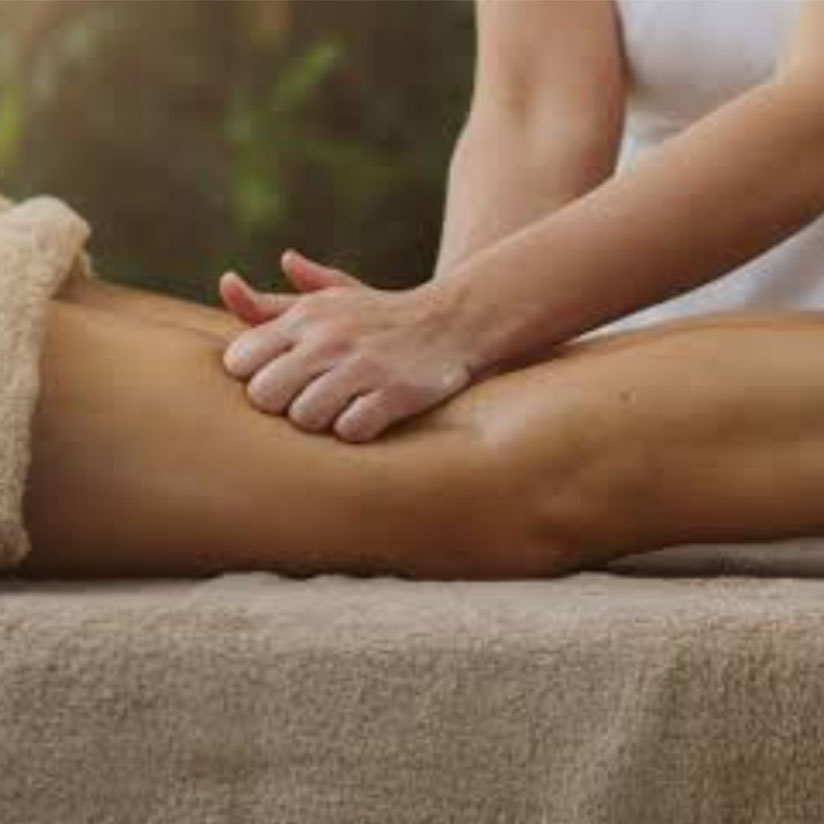
Varicose veins can cause aching, heaviness, swelling, and discomfort in the legs. Many people look for quick relief and choose a leg massager for varicose veins, hoping it will improve blood circulation and reduce their symptoms. While massage devices may relax sore muscles, they do not treat the underlying vein problem.
In fact, applying deep pressure over affected veins can worsen discomfort instead of providing relief. Understanding the risks of leg massagers for varicose veins can help patients avoid unnecessary complications and make informed treatment decisions.
What Are Varicose Veins?
Varicose veins are enlarged, twisted blood vessels that usually appear on the legs, ankles, or feet. They develop when the small valves in the veins do not function properly, disrupting the normal flow of blood back toward the heart. As blood starts to collect in the affected vessel, pressure builds, causing them to swell and become more visible under the skin.
These blood vessels may appear blue or purple and can cause symptoms such as leg heaviness, aching, swelling, itching, or discomfort, especially after prolonged standing or sitting.
Several factors can increase the chances of developing this vascular issue, including age, pregnancy, excess weight, prolonged periods of standing or sitting, and a family history of the condition. Without treatment, this condition may worsen over time and, in some cases, lead to complications such as skin changes, inflammation, or leg ulcers.
Risks of Leg Massagers for Varicose Veins
Using a leg massager for varicose veins may seem like a simple way to reduce leg discomfort, but deep pressure devices can do more harm than good. These vessels are already enlarged and under increased pressure, making them more sensitive to external force.
Applying strong pressure or intense vibrations over the affected vessel may worsen pain, swelling, and irritation. In some cases, excessive pressure can damage the fragile walls or increase the risk of bleeding, especially when veins are large and close to the skin surface.
Many people use a leg massager at home without knowing whether it is suitable for their condition. While it may temporarily relax surrounding muscles, a leg massager cannot repair weakened valves or correct abnormal blood flow.
For this reason, deep massage directly over affected areas should be avoided unless recommended by a healthcare professional.
Is Massage for Varicose Veins in Legs Safe?
Deep massage over affected areas is generally not recommended, especially when using strong devices that apply pressure directly to enlarged vessels. Applying force to the affected vessels can aggravate the condition and increase discomfort rather than providing relief. Using a leg massager for varicose veins is not recommended as a replacement for proper medical evaluation or treatment.
Many people assume that massage can improve circulation, but this condition requires treatments that target the source of abnormal blood flow.
How Poor Blood Circulation in Legs Affects Venous Health
Healthy blood circulation is essential for maintaining a normal blood flow pathway. The veins in the legs have to move blood upward against gravity, with the help of small valves that prevent blood from flowing backwards. When circulation becomes impaired, blood can begin to collect in the lower legs, putting extra pressure on the affected area walls.
Over time, this increased pressure can weaken the vascular system and affect how well the valves work. The vessels may become stretched, enlarged, and less efficient at returning blood to the heart. This can contribute to the development of this condition and worsen existing circulation problems.
Poor circulation may also lead to symptoms such as leg swelling, heaviness, aching, and discomfort. Supporting healthy blood flow through regular movement, avoiding prolonged inactivity, and seeking proper medical advice can help protect vascular health.
Varicose Veins Treatment Options
The right treatment approach depends on the size of the affected vessels, the severity of the condition, and the pattern of blood flow. A duplex ultrasound is usually performed to assess the blood vessels and help determine the most suitable treatment approach for each patient. Instead of relying on a leg massager for varicose veins, advanced treatment options focus on correcting the underlying cause of abnormal blood flow.
Dr. Imtiaz Ahmad uses advanced minimally invasive techniques to treat varicose veins without major surgery, focusing on closing the affected structures and restoring healthy blood flow. These procedures are designed to close the weakened veins and redirect blood flow through healthier blood flow pathways.
VenaSeal is one of the latest treatment options for this condition. In this procedure, a small catheter is guided into the affected vein using ultrasound guidance. A medical-grade adhesive is then applied to seal the vein, allowing blood to flow naturally through healthier veins. The procedure is performed without general anesthesia and offers a quick recovery.
Mechanochemical Endovenous Ablation (Clarivein) combines mechanical and chemical methods to close the problematic vein. A specialized catheter is inserted into the vein, where mechanical action helps prepare the vein wall while a sclerosant seals the vein. This minimally invasive procedure is completed in a short time and helps improve symptoms.
Sclerotherapy is commonly used for smaller varicose veins and spider veins. A special solution is injected into the affected vessel, causing it to close and gradually fade as blood is redirected through normal veins.
Other minimally invasive approaches, such as Endovenous Laser Therapy (EVLT) and Radiofrequency Ablation (RFA), use controlled energy delivered through a thin catheter to close affected veins. These techniques avoid open surgery and allow patients to recover faster.
With advanced treatment options, many patients experience improvement in leg discomfort, swelling, mobility, and overall quality of life. The best treatment choice should always be personalized based on the patient’s condition and medical evaluation.
When Should You See a Specialist?
Choosing the right specialist is an important step in effectively managing the underlying issue. Since every patient’s condition is different, treatment should be planned after a detailed evaluation rather than relying on temporary solutions.
Dr. Imtiaz Ahmad is an experienced Endovascular Surgical Specialist and Interventional Radiologist with extensive expertise in minimally invasive treatments for varicose veins. He uses advanced techniques, including VenaSeal, Clarivein, and other endovascular procedures, to provide effective treatment without major surgery.
His approach focuses on identifying the root cause of the problem and selecting the most suitable treatment option for each patient, helping improve comfort, mobility, and long-term vascular health.
If you would like to consult Dr. Imtiaz, contact us at
Hotline: 03311110397
wa.me/+923302963300
wa.me/+923312597322
Dr. Imtiaz Ahmad
Frequently Asked Questions
1: Why should deep massage be avoided for poor blood flow in the legs?
A. Deep massage can place extra pressure on enlarged blood vessels and may worsen discomfort or irritation. Since the problem is related to abnormal blood flow, massage cannot correct the root cause.
2. Can this condition go away on its own?
A. The enlarged veins usually do not disappear completely without treatment. Lifestyle changes may help manage symptoms, but procedures may be needed when the condition becomes more advanced.
3. What are the treatment options for such venous diseases?
A. Treatment depends on the severity of the condition and the pattern of blood flow. Minimally invasive options such as VenaSeal, Clarivein, sclerotherapy, endovenous laser therapy, and radiofrequency ablation may be considered after proper evaluation.
4. Can the problem come back after treatment?
A. Some people may develop new enlarged vessels after treatment, depending on factors such as lifestyle, genetics, and the progression of the underlying condition. Regular follow-up can help manage future changes.
Prof. Dr. Imtiaz Ahmad
Endovascular Surgical Specialist and Interventional Radiologist
Prof. Dr. Imtiaz Ahmad completed his Fellowship at Northwestern University, Chicago in 1995 and has over 25 years of practice across 25+ teaching and community hospitals in New York, New Jersey, and Connecticut. He is triple board-certified by the American Board of Radiology (DABR, DABR-VIR, DABR-IR/DR) and currently serves patients at Farooq Hospital in Lahore and OMI Hospital in Karachi, with online consultations available worldwide.
Still Have Questions?
Speak directly with our team — we’re happy to guide you.
0331 111 0397
24/7 Hotline · Lahore & Karachi