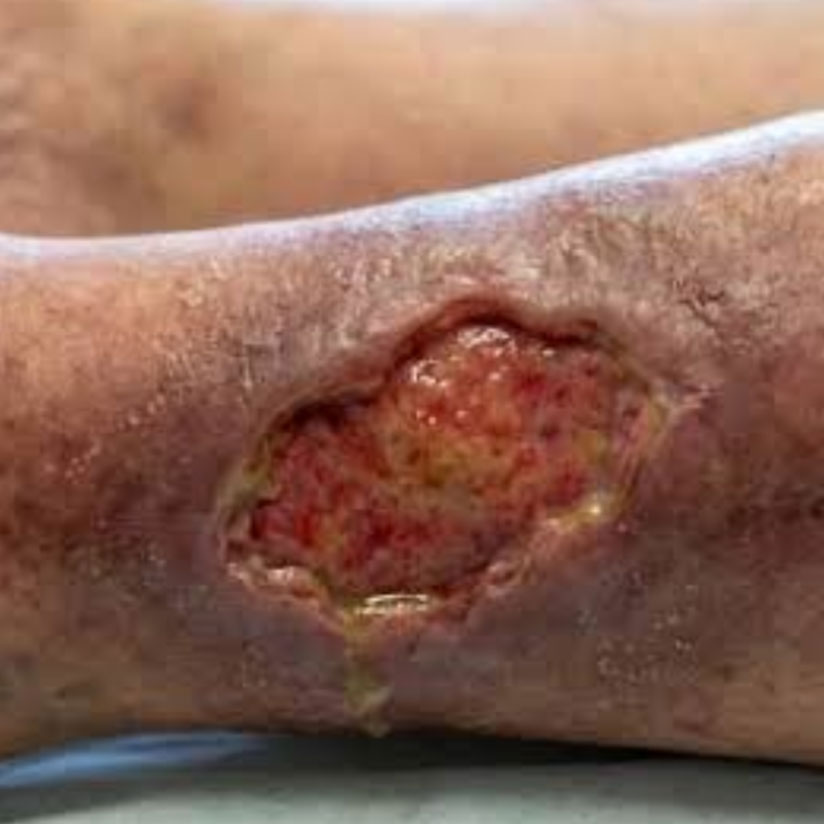
Venous ulcers are slow-healing wounds that usually develop on the lower leg or around the ankle. Unlike minor cuts or scrapes, these sores can remain open for weeks. This happens because the underlying problem is poor blood circulation in the veins rather than the skin itself. Without proper treatment, the wound can become larger, more painful, and more likely to develop an infection.
If you’re wondering what a venous ulcer is, understanding the condition early is important. Recognizing the warning signs and seeking timely treatment can help prevent complications and improve healing by addressing the vein problem before it worsens.
What is a Venous Ulcer?
A venous ulcer is an open wound that develops when the veins in the legs are unable to return blood to the heart effectively. This is usually caused by damaged vein valves, which allow blood to pool in the lower legs instead of flowing back toward the heart. Increased pressure within the veins affects the surrounding skin and reduces the delivery of oxygen and nutrients needed for normal tissue repair. Over time, the skin becomes fragile and eventually breaks down, resulting in an ulcer.
A venous insufficiency ulcer most commonly develops around the inner ankle and is a major complication of long-standing vein disease. It develops when the valves inside the leg veins become weak or damaged. This may result from varicose veins, previous deep vein thrombosis (DVT), aging, obesity, or prolonged standing. Unlike an ordinary cut or scrape, a venous insufficiency ulcer heals slowly because the underlying circulation problem remains untreated.
Signs and Symptoms of a Venous Leg Ulcer
The symptoms of this condition can vary depending on the size and severity of the wound. In the early stages, you may notice changes in the skin before an open wound develops. As the condition progresses, the ulcer may become painful and take weeks or months to heal.
Common signs and symptoms of a venous leg ulcer include:
- A slow-healing wound, usually around the inner ankle
- Swelling in the lower leg or ankle
- Pain, aching, or heaviness in the affected leg
- Skin discoloration around the wound
- Fluid drainage from the ulcer
- Itching or changes in the surrounding skin
Early diagnosis and treatment can improve healing and reduce the risk of complications.
Venous Ulcer vs Arterial Ulcer: What’s the Difference?
Venous ulcers usually develop around the inner ankle due to problems with blood returning through the veins. They are often associated with swelling, skin discoloration, and irregular wound edges.
In contrast, arterial ulcers occur when reduced blood flow through the arteries limits oxygen supply to the tissues. They commonly appear on the toes, feet, or pressure points and are often more painful, with clearly defined wound edges.
Since the causes of each ulcer type differ, identifying the ulcer type is important for selecting the right treatment.
The Link Between Varicose Veins and Venous Ulcers
Varicose veins and venous ulcers are often linked because they can develop from the same underlying vein problem. When the valves inside the leg veins become weak, blood can start pooling in the lower legs, increasing pressure on the surrounding tissues.
While not everyone with varicose veins develops an ulcer, untreated vein disease can progress over time, increasing the risk of skin changes and wounds.
What to Expect During a Venous Ulcer Assessment
These ulcers are diagnosed through a physical examination of the wound and evaluation of the patient’s medical history. The doctor assesses the ulcer, surrounding skin changes, swelling, and other signs related to vein problems.
A Doppler ultrasound is commonly used to examine blood flow in the veins and identify issues such as damaged valves or venous reflux. Additional tests may be performed to assess the severity of the condition and guide treatment decisions.
Advanced Minimally Invasive Treatment for Venous Ulcers
The most effective treatment for a venous ulcer focuses on correcting the underlying vein problem responsible for poor circulation. Treating only the wound may provide temporary improvement, but if the abnormal blood flow is not addressed, the ulcer can return.
Dr. Imtiaz Ahmad uses advanced 3D precision-guided imaging to accurately identify the diseased veins before treatment. This detailed visualization allows treatment to be planned with greater precision, helping target the affected veins while preserving healthy circulation.
Mechanochemical Ablation (Clarivein) combines mechanical and chemical techniques to close the affected vein without using heat. A specialized catheter gently disrupts the inner lining of the vein while simultaneously delivering a sclerosant solution. This minimally invasive approach improves blood flow and helps relieve the venous insufficiency contributing to ulcer formation.
Alongside these minimally invasive procedures, proper wound care remains an important part of recovery. Depending on the severity of the ulcer, compression therapy, appropriate wound dressings, regular wound cleaning, and removal of damaged tissue may be recommended to support healing and reduce the risk of recurrence.
VenaSeal is one of the latest minimally invasive treatment options offered. During the procedure, a small catheter is guided into the affected vein under ultrasound guidance. An FDA-approved medical adhesive is then delivered to seal the vein, preventing abnormal blood flow. Once the vein is closed, blood is naturally redirected through healthier veins, improving circulation and reducing the pressure that contributes to venous ulcers. The procedure is performed under local anesthesia, requires no major surgery, and allows for a quick recovery.
Sclerotherapy is commonly recommended for smaller diseased veins and spider veins. A specialized sclerosant solution is injected directly into the affected vein, causing it to close gradually. As the treated vein is absorbed by the body, blood is redirected through healthy veins, improving circulation and helping reduce ongoing venous pressure.
When Should You See a Vein Specialist?
A venous ulcer requires specialized care because healing depends on treating both the wound and the vein condition causing it. Delaying care can make ulcers more difficult to heal and increase the risk of recurrence.
Dr. Imtiaz Ahmad is a board-certified interventional radiologist and endovascular specialist with extensive experience in treating venous diseases through minimally invasive techniques. With over 20 years of experience, he has treated complex vascular conditions using advanced image-guided procedures.
His approach focuses on treating the source of the problem while avoiding the need for traditional surgical procedures whenever possible. Each treatment plan is tailored according to the patient’s condition to improve circulation and support long-term healing.
If you would like to consult Dr. Imtiaz, contact us at
Hotline: 03311110397
wa.me/+923302963300
wa.me/+923312597322
Dr. Imtiaz Ahmad
Frequently Asked Questions
1: Are venous ulcers painful?
A. Venous ulcers can cause aching, discomfort, heaviness, or irritation in the affected leg. Pain may increase if the wound becomes larger or develops an infection.
2. Can a venous ulcer come back after healing?
A. Yes, venous ulcers may return if the underlying vein problem is not managed properly. Long-term vein care helps reduce the risk of recurrence.
3. Can lifestyle changes help prevent venous ulcers?
A. Staying active, avoiding prolonged periods of sitting or standing, maintaining a healthy weight, and following recommended vein care measures can support healthy circulation and lower the risk of ulcers.
4. How long does it take to heal?
A. Healing time varies depending on the size of the ulcer, severity of vein disease, and response to treatment. Some wounds heal within months, while more complex ulcers may require longer care.

Prof. Dr. Imtiaz Ahmad
Endovascular Surgical Specialist and Interventional Radiologist
Prof. Dr. Imtiaz Ahmad completed his Fellowship at Northwestern University, Chicago in 1995 and has over 25 years of practice across 25+ teaching and community hospitals in New York, New Jersey, and Connecticut. He is triple board-certified by the American Board of Radiology (DABR, DABR-VIR, DABR-IR/DR) and currently serves patients at Farooq Hospital in Lahore and OMI Hospital in Karachi, with online consultations available worldwide.
Still Have Questions?
Speak directly with our team — we’re happy to guide you.
0331 111 0397
24/7 Hotline · Lahore & Karachi