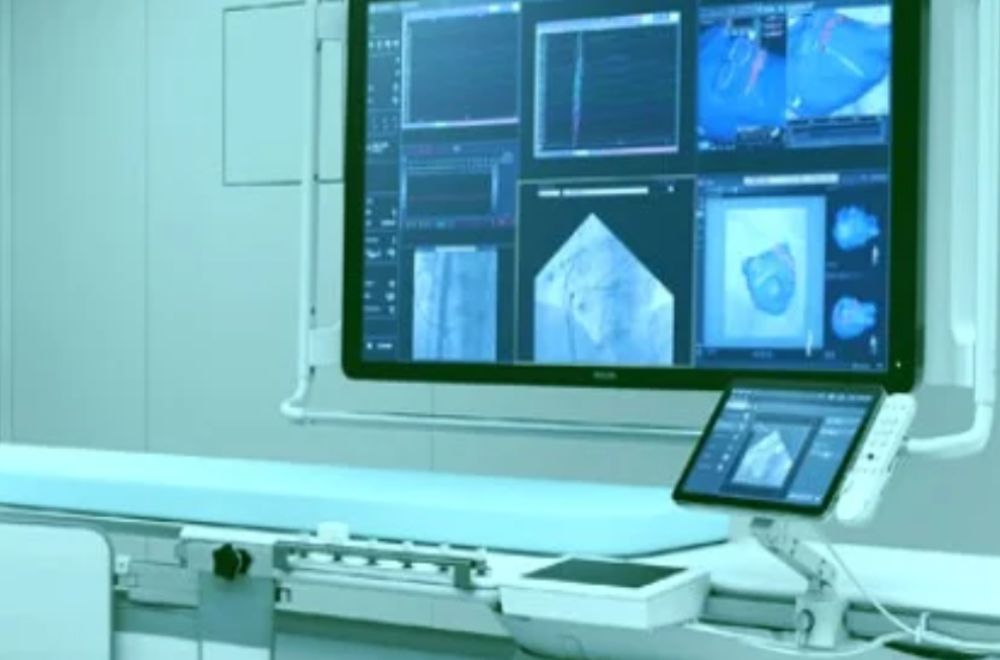
Medical treatment has changed significantly over the past decade. Many conditions that once required open surgery can now be treated using image-guided, minimally invasive techniques with shorter recovery times and fewer complications. This shift has led more patients to explore interventional radiology vs surgery when discussing their treatment options and understanding which approach may be suitable for their condition.
While surgery is still the right choice for some conditions, it is no longer the only option. For carefully selected patients, minimally invasive treatments can provide effective results with less disruption to the body. Understanding the available treatment options is the first step towards choosing the most appropriate approach for your condition.
What Is Interventional Radiology?
Interventional radiology is a modern medical specialty that uses advanced imaging to diagnose and treat conditions through targeted, minimally invasive procedures. Instead of relying on direct surgical access, an interventional radiologist uses real-time imaging, such as ultrasound, fluoroscopy, CT scans, and X-rays, to guide thin catheters and specialised instruments. These tools are navigated through the body’s blood vessels or natural pathways to reach the affected area.
Because treatment is guided by live imaging, doctors can target the source of the problem while reducing unnecessary disruption to nearby structures. This approach is used to treat vascular conditions, improve blood flow, control abnormal bleeding, block the blood supply to certain diseases through embolization, and perform other targeted endovascular procedures.
Interventional Radiology vs Surgery: Understanding the Difference
When comparing interventional radiology vs surgery, the biggest difference is how treatment is delivered. In traditional surgery, the surgeon reaches the affected organ or tissue through an incision to repair, remove, or reconstruct it. Interventional radiology uses real-time imaging to guide thin catheters and specialised instruments through blood vessels or a tiny needle puncture to treat the condition from within the body.
The choice between minimally invasive procedures vs surgery depends on the condition being treated. Image-guided endovascular procedures are commonly used for blocked or narrowed arteries, abnormal blood vessels, uterine fibroids, enlarged prostate, varicose veins, and other vascular conditions. Traditional surgery may be required when an organ must be removed, extensive reconstruction is needed, or direct surgical access is the safest option.
Whether interventional radiology is better than surgery depends on the condition and the treatment required. For many vascular conditions, image-guided endovascular techniques provide an effective alternative alongside traditional surgery.
Interventional Radiology Advantages: Why More Patients Are Choosing It
The growing preference for minimally invasive treatments comes from their ability to deliver effective results with less physical stress than major surgery. Using image-guided techniques, many conditions can be treated through a small puncture rather than a surgical incision while maintaining a high level of precision.
Many procedures are performed through the wrist or groin using local anaesthesia, making them a suitable option for patients with additional health concerns or those wishing to avoid major surgery.
Real-time image guidance helps doctors accurately target the affected area while protecting nearby healthy tissues, particularly in vascular and endovascular procedures.
Many patients return home the same day or after a short hospital stay, allowing a quicker recovery. These procedures are also associated with minimal scarring, less blood loss, and a lower risk of wound-related complications.
Endovascular Treatment vs Surgery: Which Option Is Best for Vascular Disease?
When comparing interventional radiology vs surgery for vascular conditions, endovascular treatment has transformed the management of many blood vessel disorders. Using advanced 3D precision-guided imaging, thin catheters are carefully navigated through arteries or veins to reach the affected vessel with high accuracy.
This catheter-based approach is used to treat conditions including varicose veins, varicocele, venous disorders, uterine fibroids, enlarged prostate, and other disorders caused by abnormal blood flow. Depending on the condition, targeted embolization can block abnormal blood vessels or blood supply while preserving surrounding healthy tissues.
Before treatment, Doppler ultrasound, CT angiography, and other specialised imaging techniques are used to map the vascular anatomy and plan the procedure. During treatment, real-time imaging guides the catheter to the target area, allowing precise, controlled intervention. This 3D precision-guided approach is central to modern endovascular care for many complex vascular conditions.
3D Precision-Guided Endovascular Treatment: Expertise in Modern Vascular Care
Prof. Dr. Imtiaz Ahmad is a US board-certified Interventional Radiologist and Endovascular Specialist with over 25 years of experience in image-guided, catheter-based procedures. His expertise focuses on 3D precision-guided endovascular treatment, using advanced imaging to accurately identify and treat abnormal blood vessels.
With experience across the USA and Pakistan, he specialises in advanced endovascular techniques, including targeted embolization and image-guided vascular interventions, for complex blood vessel conditions. His approach combines detailed treatment planning, real-time imaging, and specialised techniques to deliver precise care while minimising unnecessary intervention to surrounding tissues.
Conclusion
The shift towards minimally invasive, image-guided treatments has changed how many conditions are managed today. While surgery remains an important part of healthcare, interventional radiology provides a precise alternative for many vascular and non-vascular conditions when appropriate.
Understanding interventional radiology vs surgery can help patients discuss suitable treatment options with their specialist.
If you would like to consult Dr. Imtiaz, contact us at:
Hotline: 03311110397
Dr. Imtiaz Ahmad
Frequently Asked Questions
Q1: Will I need to stay in the hospital after an endovascular procedure?
A: The length of stay depends on the type of procedure and the patient’s condition. Many procedures involve short monitoring after treatment, followed by discharge once the medical team confirms it is safe.
Q2: What makes 3D precision-guided endovascular treatment different?
A: 3D precision-guided treatment uses detailed imaging to create a clearer understanding of the vascular anatomy before and during the procedure. This allows treatment to be planned and delivered with a high level of accuracy.
Q3: Is general anaesthesia required for these procedures?
A: Many image-guided procedures are performed using local anaesthesia with or without mild sedation.
Q4: What conditions can be treated with image-guided procedures?
A: These image-guided techniques are also used for conditions such as uterine fibroids, enlarged prostate, varicocele, and other vascular-related problems where targeted treatment is required.