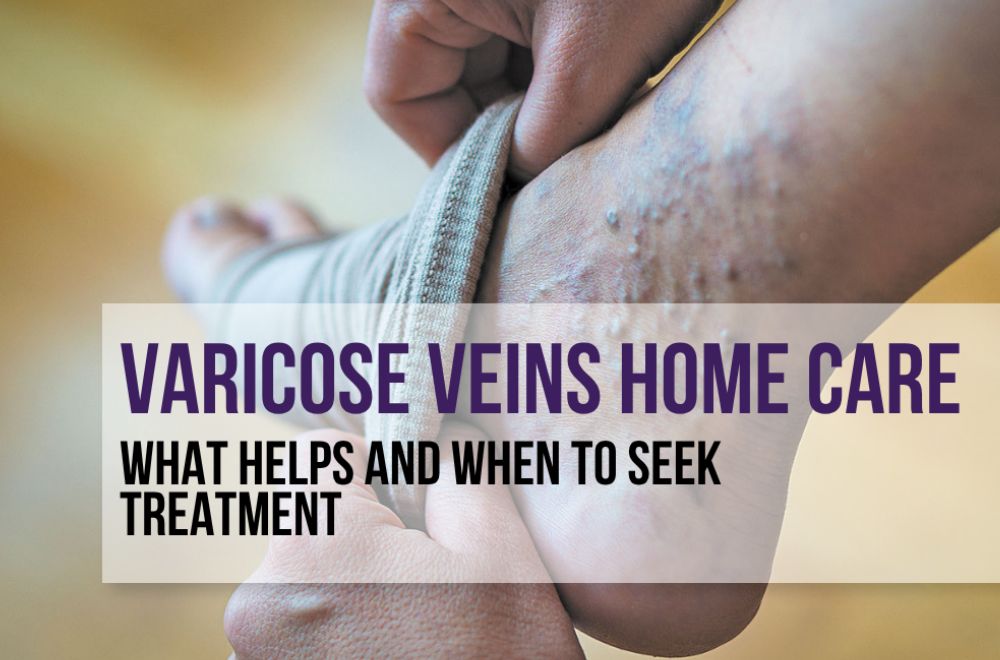
Varicose veins are enlarged, twisted veins that commonly develop in the legs and can cause discomfort, heaviness, swelling, or aching. For many people, symptoms become more noticeable after prolonged standing or sitting and can gradually affect everyday comfort. Fortunately, simple measures at home may help manage symptoms and support better circulation.
Understanding varicose veins home care can help you manage discomfort and recognise changes in your symptoms. However, home measures may not be enough when the condition becomes more severe or causes persistent problems. Knowing when to continue with supportive care and when to seek professional evaluation is an important part of managing the condition.
How Can You Manage Varicose Veins at Home?
If these veins are causing mild discomfort, a few simple changes at home may ease symptoms.
- Elevate your legs: Put your legs up when resting, particularly after a long day of standing. This may reduce swelling and pressure in the legs.
- Avoid sitting or standing for long periods: Change your position regularly. If you have to sit or stand for several hours, take short breaks to improve comfort.
- Maintain a healthy weight: Keeping a healthy weight can reduce extra pressure on the veins and may prevent symptoms from getting worse.
- Look after your skin: Keep the skin on your lower legs moisturised and watch for new dryness, itching, discoloration, or sores.
- Drink enough water: Staying hydrated supports normal circulation and overall health.
- Compression stockings: These apply gentle pressure to the legs and can reduce swelling and discomfort. The level of compression should be chosen based on your symptoms and with appropriate medical advice.
Can Medicines Ease Varicose Vein Symptoms?
Medicines do not fix the faulty valves that cause the condition, but they may help manage some symptoms. For example, an appropriate pain reliever can be used for occasional discomfort. If the skin becomes irritated or inflamed, a doctor may recommend a suitable topical treatment.
These measures can make symptoms easier to manage, but they do not get rid of the affected veins. If symptoms continue, become more noticeable, or start interfering with daily activities, it is worth getting them checked.
Which Varicose Veins Exercises Can Help?
Regular movement can improve circulation and ease symptoms. Simple activities such as walking, cycling, and swimming keep the leg muscles active without putting too much strain on the joints. Calf raises and gentle ankle movements can also support blood flow, especially if you spend long periods sitting.
Are Compression Stockings Effective for Varicose Veins?
Compression stockings can be helpful when the affected veins cause swelling, aching, or heaviness. They apply graduated pressure, with more pressure around the ankle and gradually less higher up the leg. This helps prevent blood from pooling in the lower legs and supports its movement back toward the heart.
They can be especially useful if symptoms worsen after standing or sitting for long periods. Wearing them during the day may reduce swelling and make the legs feel more comfortable by the evening.
However, compression stockings manage symptoms rather than the underlying problem. They do not close faulty veins or repair damaged valves. The right compression level also matters, so it is best to choose them with medical advice, particularly if you have other circulation problems.
What Is the Best Diet for Varicose Veins?
There is no specific diet for this condition, but a balanced diet can support healthy circulation and help manage symptoms.
- High-fibre foods: Fruits, vegetables, whole grains, and legumes help prevent constipation.
- Vitamin-rich foods: Berries, citrus fruits, leafy greens, and other vegetables provide nutrients that support healthy blood vessels.
- Adequate fluids: Drinking enough water supports normal circulation.
- Less salt: Limiting excess salt can help reduce fluid retention and swelling.
- Healthy weight: A balanced diet can help maintain a healthy weight and reduce pressure on the lower legs.
When Should You See a Doctor for Varicose Veins?
You should consider seeing a doctor when they become painful, swelling persists, or symptoms start affecting your daily activities. Skin discoloration, itching, ulcers, bleeding, or a vein that becomes hard, red, and painful also warrant medical evaluation. Sudden swelling or significant pain in one leg should be assessed promptly.
Prof. Dr. Imtiaz Ahmad provides minimally invasive treatment for varicose and spider veins after assessing the affected areas with clinical examination and ultrasound. His approach includes VenaSeal for larger faulty veins and sclerotherapy for smaller ones and spider veins. VenaSeal uses a medical adhesive to close the affected area without heat, while sclerotherapy uses an injected solution to close smaller veins. Both are performed under ultrasound guidance and local anaesthesia.
These treatments close the faulty veins and redirect blood through healthier vessels. According to the clinic’s published figures, its treatment has a 90%+ reported success rate and 92% symptom improvement, with most patients treated as a same-day procedure.
If you would like to consult Dr. Imtiaz, contact us at
Hotline: 03311110397
Dr. Imtiaz Ahmad
Frequently Asked Questions
Q1: What are the main treatment options for varicose veins?
A: Depending on the veins involved and their severity, treatment may include VenaSeal, sclerotherapy, or other endovenous procedures.
Q2: How is the right treatment selected?
A: A clinical assessment and venous ultrasound help identify the faulty veins and determine which treatment is most appropriate.
Q3: Can varicose veins cause blood clots?
A: They can be associated with superficial vein thrombosis. New pain, redness, warmth, or swelling should be assessed by a doctor.
Q4: Can varicose veins develop again after treatment?
A: Yes. Treatment closes the affected veins, but new varicose veins can develop in other veins over time.