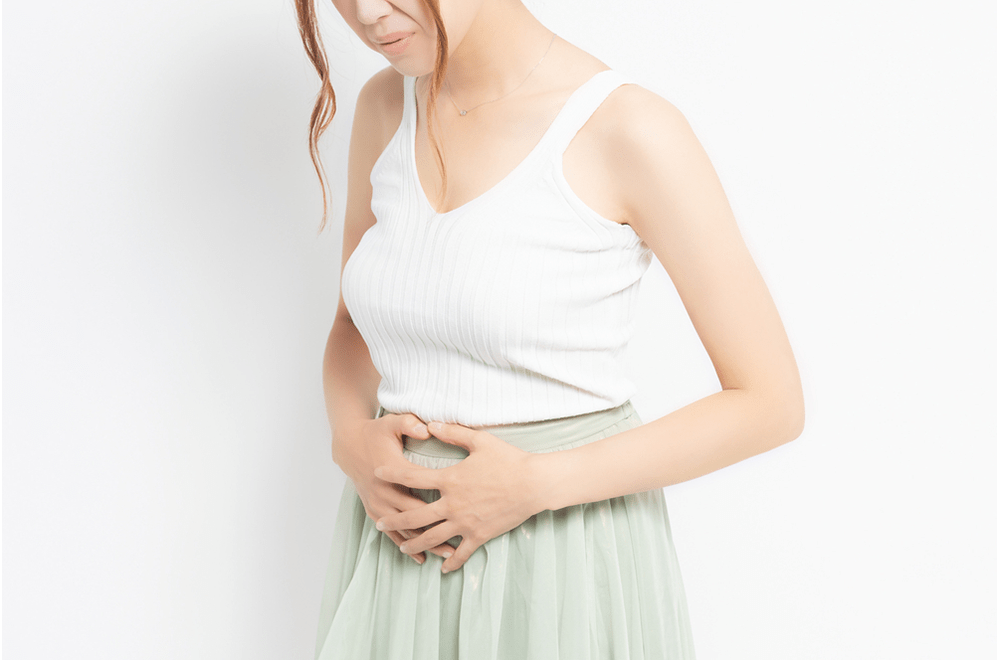
Fibroids, noncancerous growths of the uterus, are a very common issue among women of reproductive age and are a treatable condition. The problem is that women often don’t receive the best treatment due to misconceptions and rumors. These myths lead to confusion and anxiety for women facing fibroid-related issues.
In our part of the world, women with little knowledge about the most effective treatment for fibroids often seek various setups that further misguide them and often do not provide quality treatment. Some opt for alternative and complementary medicine, while others consult religious scholars practicing hakeemi medicine and dam durood. All of this can lead to mental turmoil and a lot of wasted money. In the end, women become tired, and frustrated, and leave their condition untreated.
At times, women are also told that if they get treatment for fibroids done, they’ll either lose their uterus or it’ll get burnt. Which isn’t the case. Yes, there are some very serious conditions where the patient is duly informed that their uterus might get removed as a result of treatment, but that’s very rare, and not necessary either. And, at the end of the day, fibroid treatment is done to ensure a woman’s uterus health is maintained.
Here, we explore some common myths that prevail in our society and reveal the truth behind them.
Myth 1: Surgery is the only treatment option
One of the most pervasive myths about fibroid treatment is that surgery is the only solution. While surgical procedures like myomectomy (removal of fibroids) or hysterectomy (removal of the uterus) are effective options, they are not the only ones. Many non-surgical treatments are available, including medication, uterine artery embolization, and focused ultrasound therapy. The choice of treatment depends on factors such as the size and location of the fibroids, as well as the patient’s preferences and future family plans.
Women who opt for surgical treatment often wonder, “Is fibroid surgery high risk?” Well, like any other surgery, fibroid surgery carries its own risks. The safest option for fibroids is a minimally invasive procedure like uterine artery embolization.
Myth 2: All fibroids require treatment
Not all fibroids require immediate treatment. In fact, many women have small fibroids that cause no symptoms and do not affect their quality of life. After considering factors such as size, location, and symptoms associated with fibroids, the doctor develops an individualized treatment plan. In some cases, a “watch and wait” approach may be recommended, allowing the patient to monitor the fibroids’ progression without intervention.
Myth 3: Fibroids always recur after treatment
While fibroids can sometimes regrow after treatment, the idea that they always do is a myth. The recurrence of fibroids depends on several factors, including the type of treatment received and individual patient characteristics. Uterine artery embolization is a minimally invasive technique recently introduced in Pakistan by Dr. Imtiaz Ahmed. This procedure has a very low recurrence rate and is also the best treatment for large fibroids. According to a study, women who get fibroids treated in the UAE require fewer days off work, have shorter hospital stays, and experience fewer side effects.
Myth 4: Pregnancy is impossible after fibroid treatment
Another common misconception is that fibroid treatment, particularly hysterectomy or myomectomy, makes it impossible for women to conceive and have a successful pregnancy. While these surgical procedures can affect fertility in some cases, many women can still have children after fibroid treatment. In this regard, UAE is a lifesaver technique. This minimally invasive procedure preserves fertility and allows women to conceive in the future.
Myth 5: Natural remedies alone can cure fibroids
There is a growing interest in natural remedies for various health conditions, including fibroids. While some dietary and lifestyle changes may help manage fibroid symptoms, they are unlikely to cure the condition entirely, especially for women with larger or more symptomatic fibroids. It’s crucial to consult with a healthcare provider to determine the most appropriate treatment plan, which may include a combination of medical, surgical, and lifestyle interventions.
Myth 6: Fibroids are always painful
Not all fibroids cause pain or discomfort. In fact, many women with fibroids do not experience any symptoms. Fibroid symptoms can vary widely from person to person and can include heavy menstrual bleeding, pelvic pain or pressure, and frequent urination. The absence of symptoms does not mean that fibroids should be left untreated, but it highlights the importance of individualized care and consultation with a healthcare provider.
Fibroids are a benign condition, but the myths related to them make treatment difficult. It’s essential to rely on accurate information and consult with a healthcare provider to make informed decisions about fibroid treatment. Remember that there are various treatment options available, and the best approach will depend on your unique circumstances and preferences.
Dr. Imtiaz Ahmed, an interventional radiologist and endovascular surgeon, is a specialist who has helped many women get rid of this disease, preserve their uterus, and live a peaceful life. He works on the principles of minimally invasive surgery and introduced new medical treatments for fibroids in Pakistan. He believes in empowering women so that they can take control of their health and make choices that are right for them.
To clear your concepts and learn more authentic information about fibroids and their treatment, contact us at info@drimtiazahmad.com. Follow us on Instagram @Profdr_imtiaz_ahmad for daily updates.
For further information,please feel free to email us at info@drimtiazahmad.com. Follow us on Instagram @Profdr_imtiaz_ahmad for more details and daily updates
Youtube:https://www.youtube.com/c/DrImtiazAhmad
Whatsapp:03302963300,03312597322

Prof. Dr. Imtiaz Ahmad
Endovascular Surgical Specialist and Interventional Radiologist
Prof. Dr. Imtiaz Ahmad completed his Fellowship at Northwestern University, Chicago in 1995 and has over 25 years of practice across 25+ teaching and community hospitals in New York, New Jersey, and Connecticut. He is triple board-certified by the American Board of Radiology (DABR, DABR-VIR, DABR-IR/DR) and currently serves patients at Farooq Hospital in Lahore and OMI Hospital in Karachi, with online consultations available worldwide.
Still Have Questions?
Speak directly with our team — we’re happy to guide you.
0331 111 0397
24/7 Hotline · Lahore & Karachi