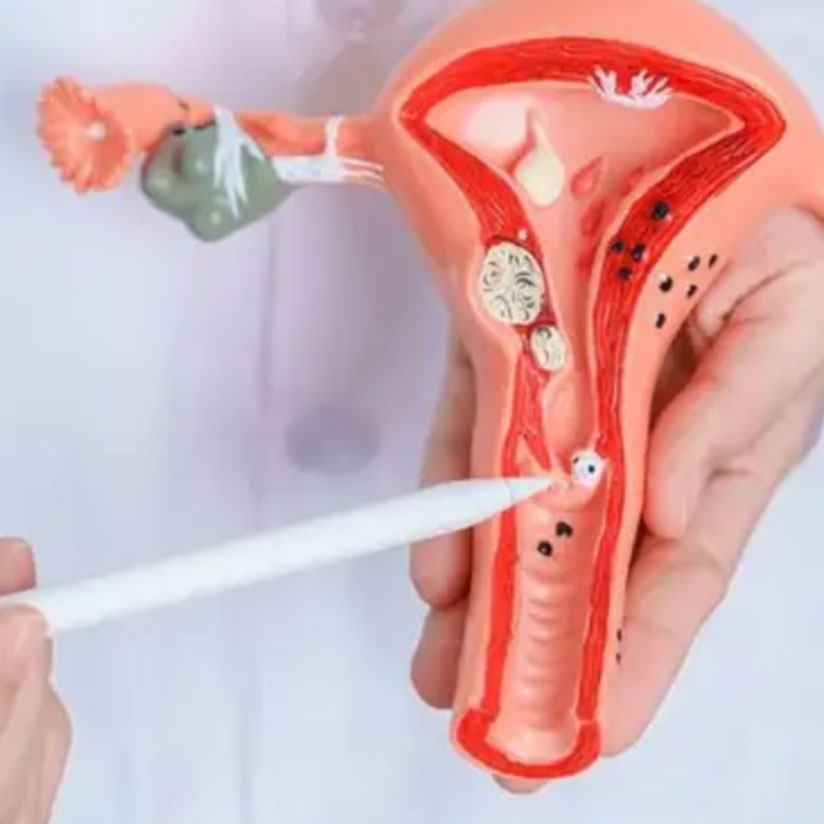
Heavy menstrual cycles, pelvic pain, frequent urination, and bloating are among the most common symptoms that many women live with for years before identifying uterine fibroids as the underlying cause. Although these are non-cancerous growths and are highly prevalent, they can significantly impact quality of life. Advances in interventional radiology have made uterine fibroid treatment more personalized. The choice between UFE vs Myomectomy often depends on the patient’s symptoms, treatment goals, and recovery expectations.
Both treatment options are effective in managing fibroid-related symptoms. They differ significantly in their approach, recovery profile, and implications for future fertility. Understanding the difference between 3D guided UFE and myomectomy is essential for making a clinically informed decision and selecting the most appropriate treatment approach based on individual patient factors.
Today, the comparison of fibroid embolization vs surgery is no longer limited to symptom relief alone. Modern 3D precision-guided Uterine Fibroid Embolization is an advanced endovascular treatment that uses real-time 3D rotational imaging to accurately identify the feeding vessels of even small fibroids through a tiny needle puncture rather than a surgical incision. This allows treatment with no stitches, minimal disruption to surrounding healthy tissue, and a faster recovery for many women compared to traditional surgery.
What Are Fibroids and Why They Matter
While uterine fibroids are often associated with heavy periods and pelvic pressure, they can also present with additional symptoms such as lower back pain, constipation, and a feeling of fullness in the lower abdomen. In some cases, there may be difficulty with bladder or bowel emptying due to pressure on nearby organs. The clinical presentation varies depending on the size, number, and location of the growth, and future fertility considerations.
Larger or multiple fibroids are more likely to affect daily life and may require treatment. Treatment decisions are based on symptom severity and clinical presentation.
3D Precision-Guided UFE vs Myomectomy: Treatment Approach
The UFE vs. myomectomy comparison is central to understanding modern fibroid management. Both aim to relieve symptoms while preserving the uterus, but they achieve this through fundamentally different mechanisms.
When comparing UFE and myomectomy, the primary distinction lies in the treatment approach. UFE is a minimally invasive, image-guided procedure that selectively reduces the blood supply to the myomas, causing the fibroids to gradually shrink. Modern 3D precision-guided Uterine Fibroid Embolization uses real-time rotational imaging to visualize the uterine arteries from multiple angles, allowing accurate identification of the blood vessels supplying the fibroids. In contrast, the myomectomy procedure involves direct surgical removal of fibroids from the uterus. This fundamental difference between UFE and myomectomy directly influences treatment selection.
Recovery and Long-Term Outcomes
Recovery is another major difference between the two. Since 3D precision-guided Uterine Fibroid Embolization avoids major surgery, most patients recover more quickly. For many women, avoiding major surgery is one of the main reasons embolization is increasingly being considered instead of myomectomy.
Unlike the myomectomy procedure, 3D precision-guided Uterine Fibroid Embolization is performed under local anesthesia with conscious sedation rather than general anesthesia. Most patients can walk within a few hours and return home the same day.
Fibroid embolization vs surgery also differs in how multiple fibroids are treated. Using advanced image guidance, 3D precision-guided Uterine Fibroid Embolization can treat multiple fibroids during the same procedure, including smaller lesions that may otherwise be difficult to identify. In contrast, the myomectomy procedure removes only the fibroids present at surgery and does not prevent new fibroids from developing. As a result, recurrence is relatively common, and some women may require repeat procedures over time.
Fertility is another important consideration. Growing clinical evidence with 3D precision-guided Uterine Fibroid Embolization has shown encouraging outcomes in appropriately selected patients. The procedure preserves the uterus, and patients planning pregnancy undergo individualized fertility assessment, hormonal evaluation, counselling, and 6–12 months of follow-up to support the best possible outcomes.
Can Fibroids Come Back After Treatment?
Yes, fibroid recurrence is possible after treatment and depends on the procedure performed. Following the myomectomy procedure, studies have reported recurrence rates of 20–50% within five years, and some women may require additional treatment. In comparison, 3D precision-guided Uterine Fibroid Embolization is associated with durable symptom relief and a lower likelihood of requiring repeat intervention in appropriately selected patients.
3D Precision-guided procedure: How It Works, What To Expect During Recovery, and Results
3D precision-guided Uterine Fibroid Embolization (UFE) is a minimally invasive endovascular procedure performed by an interventional radiologist. The procedure begins by numbing the groin with a local anesthetic spray and mild sedation to keep patients comfortable without general anesthesia before a catheter is introduced through the femoral artery.
Using 3D precision guidance and real-time imaging, the uterine arteries are viewed from multiple angles, allowing accurate identification of the fibroids and their blood supply. Extensively researched, FDA-approved embolic particles are mixed with contrast and delivered precisely into the target vessels while preserving the main uterine arteries and healthy surrounding tissue.
At Dr. Imtiaz Ahmad’s practice, a comprehensive pain management protocol is incorporated throughout the procedure. Intra-arterial medications and a superior hypogastric nerve block are used to minimize post-embolization symptoms and keep patients comfortable during and after treatment. A vascular closure device seals the access site, allowing most patients to walk within a few hours and return home the same day without stitches or a visible scar.
Take the Right Step With the Right Specialist
If you are experiencing persistent fibroid symptoms or have been diagnosed with uterine fibroids, seeking an early specialist evaluation can help you understand all available treatment options. A detailed assessment helps determine whether a minimally invasive approach, such as 3D precision-guided Uterine Fibroid Embolization (UFE), is the most appropriate treatment for your condition.
With over 20 years of experience in interventional and endovascular medicine, Dr. Imtiaz Ahmad offers 3D precision-guided Uterine Fibroid Embolization using advanced image guidance, FDA-approved embolic devices, and comprehensive pain management techniques designed to maximize patient comfort and recovery. Schedule a consultation to discuss a personalized treatment plan and determine the most suitable approach for your condition.
Conclusion
When comparing UFE vs myomectomy, the right treatment depends on individual symptoms, clinical findings, and future goals. For many suitable patients, Uterine Fibroid Embolization offers a less invasive alternative to the myomectomy procedure, with faster recovery, no surgical incision, and a lower chance of requiring another procedure.
A consultation with an experienced interventional radiologist can help determine the most appropriate treatment for your condition.
If you would like to consult Dr. Imtiaz, contact us at
Hotline: 03311110397
wa.me/+923302963300
wa.me/+923312597322
Dr. Imtiaz Ahmad
Frequently Asked Questions
1: Can fibroids be present without causing symptoms?
A. Yes. Many women have fibroids without any noticeable symptoms. Treatment is recommended only when the growth starts to affect quality of life, causes heavy bleeding, pressure symptoms, or pain.
2. Will fibroids disappear immediately after UFE?
A. No. They shrink gradually after their blood supply is blocked. Symptom relief typically improves progressively over the weeks following treatment.
3. Is myomectomy the only option for women who want to preserve the uterus?
A. No. Both UFE and myomectomy preserve the uterus. The choice depends on symptom severity and future fertility goals.
4. Can fibroids come back after treatment?
A. These benign growths can recur after any treatment. However, with UFE, there is a lower likelihood of requiring repeat treatment because it targets the blood supply directly.

Prof. Dr. Imtiaz Ahmad
Endovascular Surgical Specialist and Interventional Radiologist
Prof. Dr. Imtiaz Ahmad completed his Fellowship at Northwestern University, Chicago in 1995 and has over 25 years of practice across 25+ teaching and community hospitals in New York, New Jersey, and Connecticut. He is triple board-certified by the American Board of Radiology (DABR, DABR-VIR, DABR-IR/DR) and currently serves patients at Farooq Hospital in Lahore and OMI Hospital in Karachi, with online consultations available worldwide.
Still Have Questions?
Speak directly with our team — we’re happy to guide you.
0331 111 0397
24/7 Hotline · Lahore & Karachi