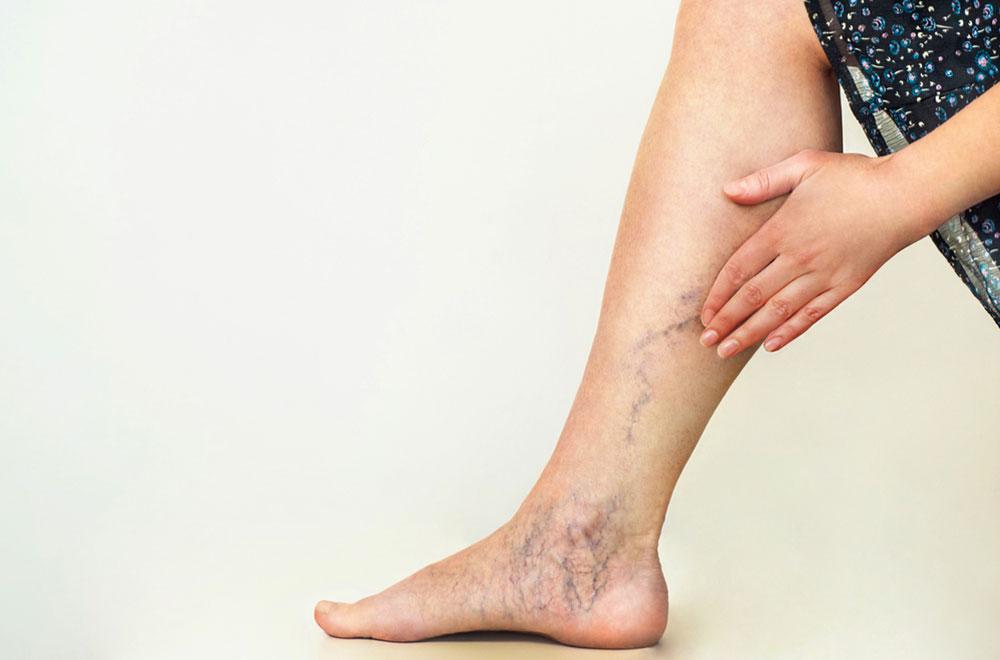
1. What Are Varicose Veins?
Varicose veins are more than just a cosmetic concern; these swollen, snaking vessels can appear in shades of blue, red, or even skin-toned. They often resemble cords rising above the surface of the skin, primarily gracing the thighs, calves, and legs. Interestingly, during pregnancy, they may also emerge in sensitive areas like the vagina, buttocks, and rectum.
2. What Causes Them?
These veins emerge when the superficial veins in the lower abdomen or legs become blocked, primarily due to:
– Impaired Venous Valves: When valves are absent or defective, trouble follows.
– Increased Venous Pressure: Long periods of standing, obesity, or pregnancy can exacerbate the issue.
3. Who’s at Risk?
Several factors can heighten your chances of experiencing varicose veins:
– Genetic Predisposition: A family history can make you more susceptible.
– Advancing Age: Aging weakens vein valves, increasing risk.
– Gender: Females face greater odds, often due to hormonal influences.
– Pregnancy: A significant trigger due to increased blood flow and pressure from the uterus.
– Obesity: Extra weight adds stress to your veins.
– Posture: Too much sitting or standing can hinder healthy circulation.
4. Pregnancy and Symptoms
– When to Expect: Typically surfaces in the 2nd or 3rd trimester.
– Common Symptoms: Look out for redness, swelling, itching, and discomfort.
Location-Specific Symptoms:
– Legs: Experience edema, night cramps, numbness, heaviness, and worries about aesthetics.
– Vulva: You might feel a sense of fullness or pressure, raising concerns about delivery.
– Rectum: Varicose veins can lead to hemorrhoids, often worsened by constipation.
– Recurrence: If experienced in the first pregnancy, there’s a good chance of recurrence in subsequent ones.
5. Treatment Pathways
Sclerotherapy
– How It Works: Involves injecting a sclerosing agent to collapse the problematic vein.
– Pros: Boasts a success rate of 70-80% for smaller veins.
– Cons: Recurrence is common; potential risks include infection, deep vein thrombosis (DVT), nerve damage, and skin discoloration.
– Recovery: Can involve a longer healing period.
Embolization (e.g., CLARIVEIN®)
– How It Works: A minimally invasive procedure using a catheter to block the vein under local anesthesia.
– Pros: Offers a remarkable 90-95% success rate; low chances of recurrence when precautions are taken; the process is generally painless and safe.
– Recovery: Quick turnaround, often complementing other treatment methods.
6. Smart Prevention Strategies
– Stay Active: Combat inactivity with regular exercise.
– Mind Your Posture: Elevate your legs and steer clear of prolonged sitting or standing.
– Lifestyle Choices: Opt for loose-fitting clothing and compression stockings, maintain a healthy weight, and embrace a high-fiber diet.
– Footwear Wisdom: Ditch the high heels for more comfortable options.
7. Key Takeaway
Don’t hesitate to consult an experienced Interventional Radiologist or an Endovascular surgeon** early on for diagnosis and tailored treatments. Addressing varicose veins promptly can not only prevent complications but also enhance your overall well-being—especially during pregnancy!

Prof. Dr. Imtiaz Ahmad
Endovascular Surgical Specialist and Interventional Radiologist
Prof. Dr. Imtiaz Ahmad completed his Fellowship at Northwestern University, Chicago in 1995 and has over 25 years of practice across 25+ teaching and community hospitals in New York, New Jersey, and Connecticut. He is triple board-certified by the American Board of Radiology (DABR, DABR-VIR, DABR-IR/DR) and currently serves patients at Farooq Hospital in Lahore and OMI Hospital in Karachi, with online consultations available worldwide.
Still Have Questions?
Speak directly with our team — we’re happy to guide you.
0331 111 0397
24/7 Hotline · Lahore & Karachi