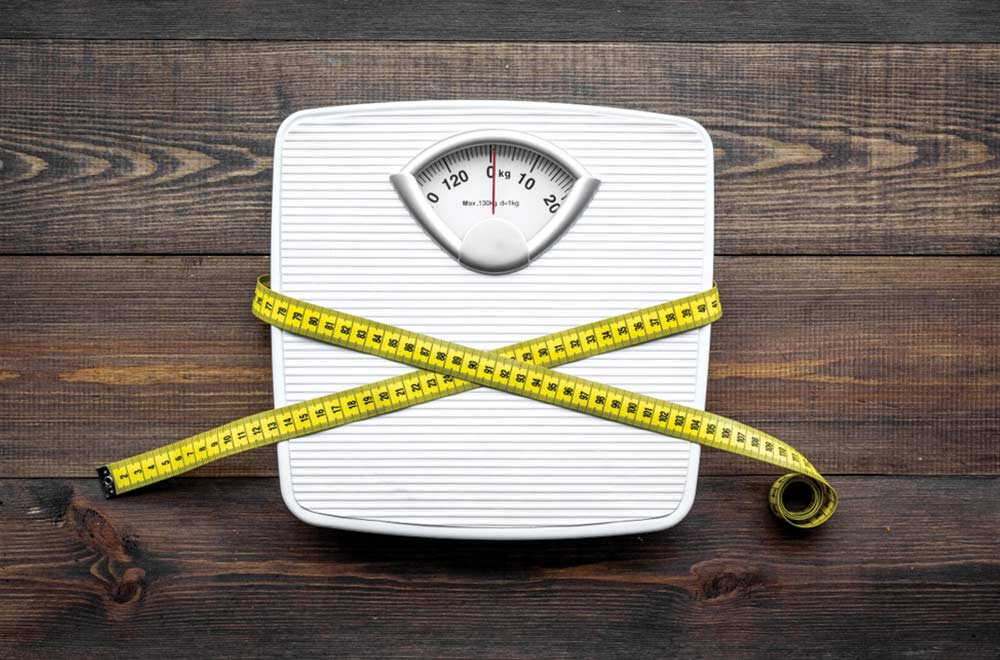
Information about Gamma block bariatric arterial embolization treatment strategies. Treatment of obesity and saying goodbye to the extra inches shaking your confidence. Bariatrics is a field which studies therapies pertaining to weight loss and management. This includes surgical procedures and behavioral therapies. Gamma block bariatric arterial embolization treatment strategies (Dr Imtiaz Ahmad is the pioneer of this technique and named it as Gamma block bariatric arterial embolization in Nov 2017 after performing the first ever Gamma block bariatric arterial embolization procedure in Karachi Pakistan)also fall under the umbrella of this field and is a modern approach towards treatment of obesity. Approximately, 39% of the world’s adult population is suffering from either obesity or being overweight.

A person is regarded as obese if his/her body mass index (BMI) is greater than 30kg/m2 in which case, they can make good use of Gamma block bariatric arterial embolization treatment strategies. Obesity may occur due to metabolic dysregulation which could be genetic, lack of physical inactivity, diseases such as PCOS in women or simply because of overeating. Making balanced lifestyle choices is the way forward towards losing all that extra weight.
However, many men and women try to fight obesity by incorporating these lifestyle changes but are often demotivated by the weighing balance’s consistent reading. This may be due to a disease, medication, or psychological stress. Bariatric surgery for weight loss is often advised to people that are suffering from diseases that have either occurred due to obesity or are getting much worse because of it. These patients may have a BMI of 35–40 kg/m2 which is alarming and must be addressed in due time. Bariatric surgery has been around since a while and has proved beneficial. Average weight loss with bariatric surgery has been about 5 to 15 pounds in only the first 30 days. However, bariatric surgery is invasive and therefore, variations to the procedure have been introduced under interventional radiology.
What are the health risks following Obesity?
Obesity imposes several health risks and becomes the starting point of multiple chronic diseases. Ranging from metabolic dysfunctionality to cardiovascular and respiratory diseases, obesity is a defining factor in their progression. It is easy to understand why excess fat in the body would be so detrimental to health. Greater body mass affects almost every part of the body, from bones to muscles and from heart to brain, every organ faces the consequence. Risk of getting diabetes mellitus type 2, hypertension, osteoarthritis, coronary heart disease, respiratory problems, and some cancers, increase manifolds because of obesity. Moreover, in the recent age of social media, selfies, and fashion, being overweight or obese also contributes towards lower self-confidence, eventually leading a person into depression. Health risks following obesity and increasing mortalities have shifted attention towards studying ways in which weight could be reduced or the process of weight reduction could be hastened.

Treatment Of Obesity
The most obvious treatment plan for losing weight is to strike a balance between physical activity and healthy eating. It is no secret that losing weight is less about what you do to shed it and more about how consistently you are doing it. It is a lifestyle shift and being aware of the choices you make in your day-to-day routine. Special diets include intermittent fasting, calorie restricted diet and keto diet, to name a few. Most people require external help for their weight management where specialists plan a personalized routine for a person and conduct sessions to check up on the progress. Weight management programs under a specialist have proven more beneficial than being on your own and trying to lose weight since there is little accountability in the latter case.

Prof. Dr. Imtiaz Ahmad
Endovascular Surgical Specialist and Interventional Radiologist
Prof. Dr. Imtiaz Ahmad completed his Fellowship at Northwestern University, Chicago in 1995 and has over 25 years of practice across 25+ teaching and community hospitals in New York, New Jersey, and Connecticut. He is triple board-certified by the American Board of Radiology (DABR, DABR-VIR, DABR-IR/DR) and currently serves patients at Farooq Hospital in Lahore and OMI Hospital in Karachi, with online consultations available worldwide.
Still Have Questions?
Speak directly with our team — we’re happy to guide you.
0331 111 0397
24/7 Hotline · Lahore & Karachi