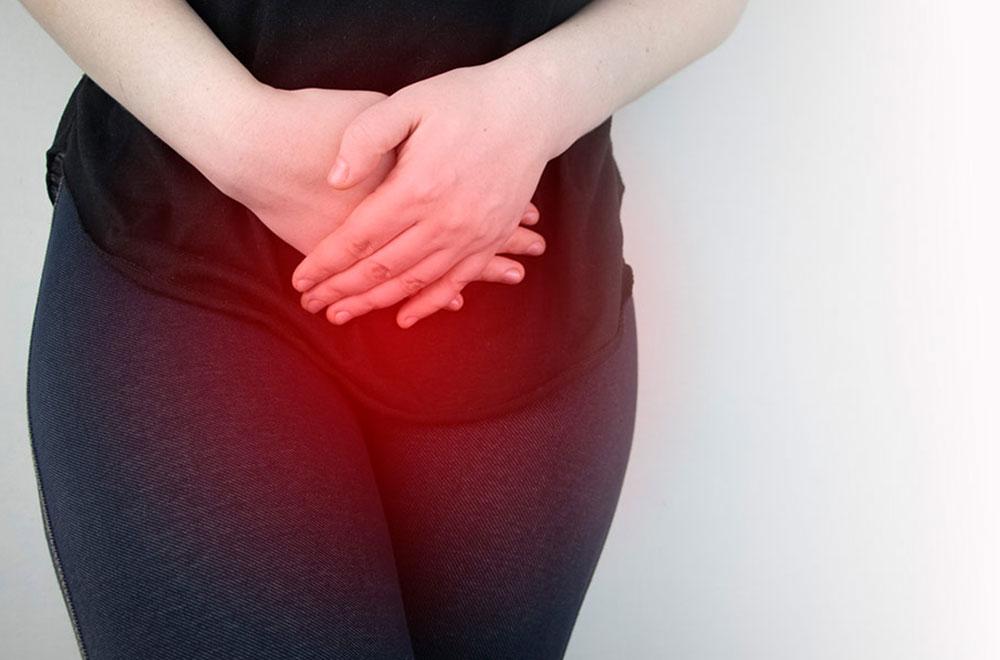
The intricate dance between uterine fibroids and weight gain is anything but simple, marked by a blend of both direct influences and indirect effects. Below is an insightful exploration of this complex relationship.
1. Direct Physical Effects
Abdominal Expansion: Large fibroids can transform the uterus into a prominent figure, leading to a rounded abdomen reminiscent of pregnancy. This is due to the tangible mass of fibroids rather than an accumulation of excess fat.
Added Bulk: In some cases, particularly with exceptionally large fibroids weighing several pounds, there can be a noticeable increase in overall body weight, although this scenario isn’t typical.
2. Indirect Influences:
Anemia and Energy Drain: The heavy menstrual bleeding associated with fibroids can lead to anemia, which in turn drains energy and curbs physical activity, potentially resulting in weight accumulation over time.
Bloating and Digestive Discomfort: The pressure exerted by fibroids on the intestines or bladder may cause bloating or urinary retention, creating the illusion of weight gain.
3. Psychological and Behavioral Impacts:
Persistent pain and stress from fibroids can sap motivation for exercise or drive emotional eating—a correlation that is still being evaluated.
4. Medical Insights and Clarifications:
Weight Gain vs. Abdominal Distension: It’s essential to differentiate between the “weight gain” mentioned, which often refers to abdominal distension from fibroid growth, and genuine fat gain, which involves a constellation of factors including diet, genetics, and metabolism.
Statistics Range (20-80%): This wide spectrum likely mingles physical mass effects with indirect influences. Further research is needed to clarify these metrics.
5. Treatment Paths Worth Considering:
Uterine Fibroid Embolization (UFE): This non-surgical technique effectively shrinks fibroids by cutting off their blood supply. It can alleviate troublesome symptoms like heavy bleeding and pelvic pressure, paving the way for patients to reclaim their active lifestyles.
6. Alternative Therapies:
Options such as medication, myomectomy, or hysterectomy exist, guided by the severity of fibroids and individual patient choices.
Final Thoughts:
Fibroids may lead to noticeable abdominal swelling, and in rare cases, significant weight gain due to their size. However, indirect consequences like fatigue from anemia can also play a role in weight changes. This article underscores the advantages of UFE but should be careful not to overstate fibroids’ contribution to obesity. A comprehensive approach, including a thoughtful consultation with healthcare professionals, is vital for tailored care.
If you’re grappling with fibroid-related symptoms, seeking a medical assessment can open the door to various treatment options, ensuring that all factors contributing to any weight changes are properly addressed.
For more information and guidance, feel free to contact us. 03311110397
wa.me/+923302963300 | wa.me/+923312597322
-OMI Hospital, 89/1 Depot Lines, MA Jinnah Rd, Karachi. (https://maps.app.goo.gl/g98JKgzfjRkiy5K66 )
-Farooq Hospital-DHA Avenue Mall, Main Ghazi Rd, DHA, Lahore, Punjab 54000, Pakistan (https://maps.app.goo.gl/FFu76EyV5cCVxBV37)

Prof. Dr. Imtiaz Ahmad
Endovascular Surgical Specialist and Interventional Radiologist
Prof. Dr. Imtiaz Ahmad completed his Fellowship at Northwestern University, Chicago in 1995 and has over 25 years of practice across 25+ teaching and community hospitals in New York, New Jersey, and Connecticut. He is triple board-certified by the American Board of Radiology (DABR, DABR-VIR, DABR-IR/DR) and currently serves patients at Farooq Hospital in Lahore and OMI Hospital in Karachi, with online consultations available worldwide.
Still Have Questions?
Speak directly with our team — we’re happy to guide you.
0331 111 0397
24/7 Hotline · Lahore & Karachi